


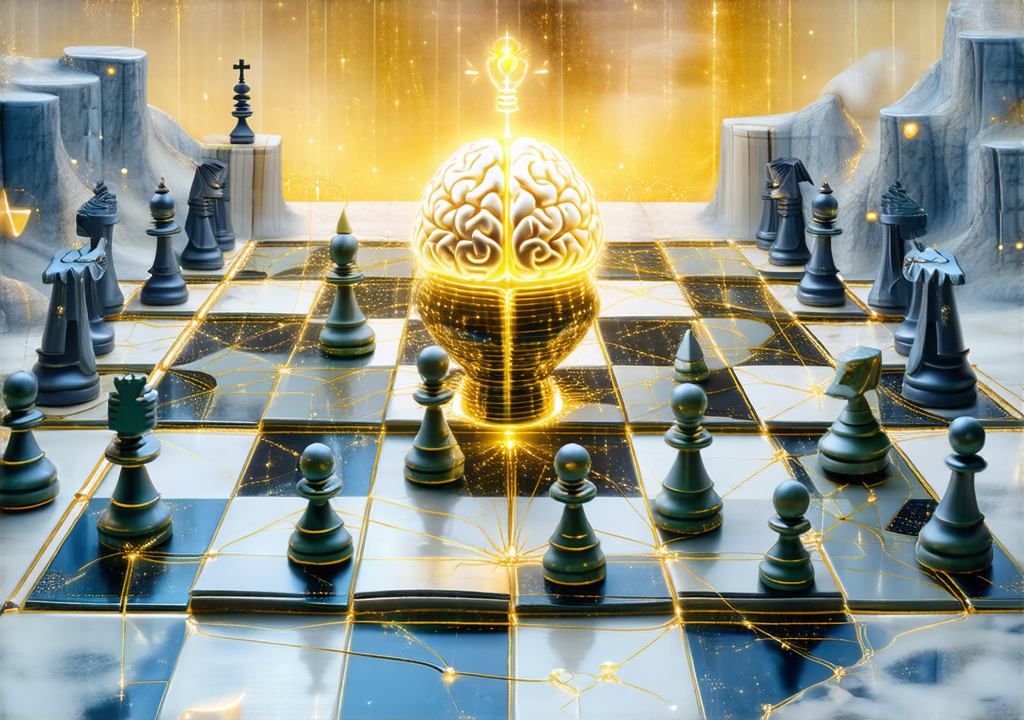
The modern occultist walks into a world that demands adherence to doctrine—whether it be rigid magical systems, established deity hierarchies, or the carefully curated practices of their predecessors. But chaos magic whispers something far more subversive than most practitioners realize: everything you believe is actually control. Not merely control over yourself, but control over the very mechanisms by which reality itself responds to intention, and those who understand this truth wield power in ways that seem almost effortless compared to traditional magicians.
Chaos magic emerged from a fundamental insight—perhaps the most important one yet discovered about magical practice: that belief is not a matter of truth, but rather a tool. The ancients did not doubt their gods because they found them true; they engaged with their deities because those particular figures proved effective within their cultural context. Modern chaos magicians take this further still, recognizing that what matters is not whether you believe in the entity before you, but how effectively it works for you.
The Great Deception of Belief Systems
Consider the magician who has spent years mastering a complex system—whether Kabbalistic tree of life, Egyptian magical practice, or some particularly intricate ceremonial method. They have memorized the correspondences, can chant the invocations without error, and maintain a disciplined routine. Yet ask them why they continue using this particular system when others employ different approaches entirely, and you will discover the subtle distinction between genuine understanding and mere habit.
The practitioner who says “I do it this way because it works” has grasped something profound. The one who says “I do it this way because it is correct” has fallen into a trap—the belief system has become an end in itself rather than a means to magical ends. And here lies the control: by deciding what counts as effective, you determine which systems deserve your allegiance.
Belief as Technique, Not Doctrine
Traditional magicians often present their practices as if they reveal some eternal truth about reality’s hidden structure—perhaps that the four elements correspond to specific organs of the soul, or that planetary hours govern certain kinds of workings in ways discoverable through precise mathematical calculation. Chaos magic embraces these possibilities while also recognizing that the same results might be achieved by entirely different means.
A chaos magician can believe strongly in a particular deity during one working, discard that belief before reaching for coffee afterward, and then summon another entity using completely different correspondences later that evening. The practitioner who cannot do this has confused themselves with their system—mistaking the map for the territory, or more precisely, mistaking the method for the magic itself.
The Control Mechanism
What makes this so powerful is understanding how belief functions as a control mechanism. When you believe in something genuinely—truly feel it rather than merely affirming it intellectually—you produce certain effects in both yourself and your practice. A person who believes in Tarot divination will have different experiences from one who only uses it as reference material. Someone who truly embraces the element of fire within them will approach flame magic differently from one who merely agrees that fire exists.
Chaos magicians often say “I don’t believe anything, I just try things,” and this sounds almost like skepticism until you realize what they mean: belief is optional, chosen deliberately as a technique rather than inherited as dogma. They select beliefs for their utility rather than treating any particular set of beliefs as inherently true. This selection process itself becomes the real power—the ability to believe wholeheartedly when that belief will serve your purposes, then release it just as completely when another approach would be more effective.
Why Everything Is Control
So why is everything you believe actually control? Because every belief system creates an expectation of what should work, how magic should function, which correspondences are real and which are mere convention. When a practitioner holds multiple conflicting beliefs simultaneously—as chaos magicians do—their true alignment lies not with any single doctrine but with the capacity to choose between them consciously.
The practitioner who merely accepts beliefs passively is controlled by those beliefs: their practices follow prescribed patterns without question, their magical world has fixed rules that must be obeyed. The one who actively creates and selects beliefs remains master of their practice, using whatever belief structures produce results rather than being limited by any particular tradition’s claims about ultimate truth.
Practical Applications
In daily practice, this might mean approaching a working completely differently depending on whether you choose to believe in the deities involved or simply treat them as psychological archetypes. It means selecting magical correspondences based on what works for your specific purposes rather than following established charts slavishly. It means recognizing that when someone says “this is how magic works,” they are not describing an absolute truth but merely sharing a particular belief system—and you are free to accept it, modify it, or ignore it entirely according to whether it serves you.
The chaos magician does not have fewer beliefs than the traditionalist; indeed, they may believe in dozens of different things simultaneously. What distinguishes them is the conscious awareness behind their beliefs and the deliberate choice about which ones to employ for particular purposes. Their belief becomes an instrument rather than a burden, a tool deliberately wielded rather than a truth accidentally inherited.
Conclusion: Becoming the Controller
The final realization comes when you understand that every magician who thinks they are merely following ancient wisdom is actually making active choices each day about what to believe and how to practice. The chaos magic practitioner makes these choices explicit and deliberate, turning belief from something received into something chosen—and in choosing beliefs deliberately, they choose which effects will follow. Everything truly believed becomes a mechanism of control: the control over their magical practice, their perception of reality, and ultimately their own position within it as active participant rather than passive recipient.


Recent Post



Gallery






Featured Videos








No Comments