


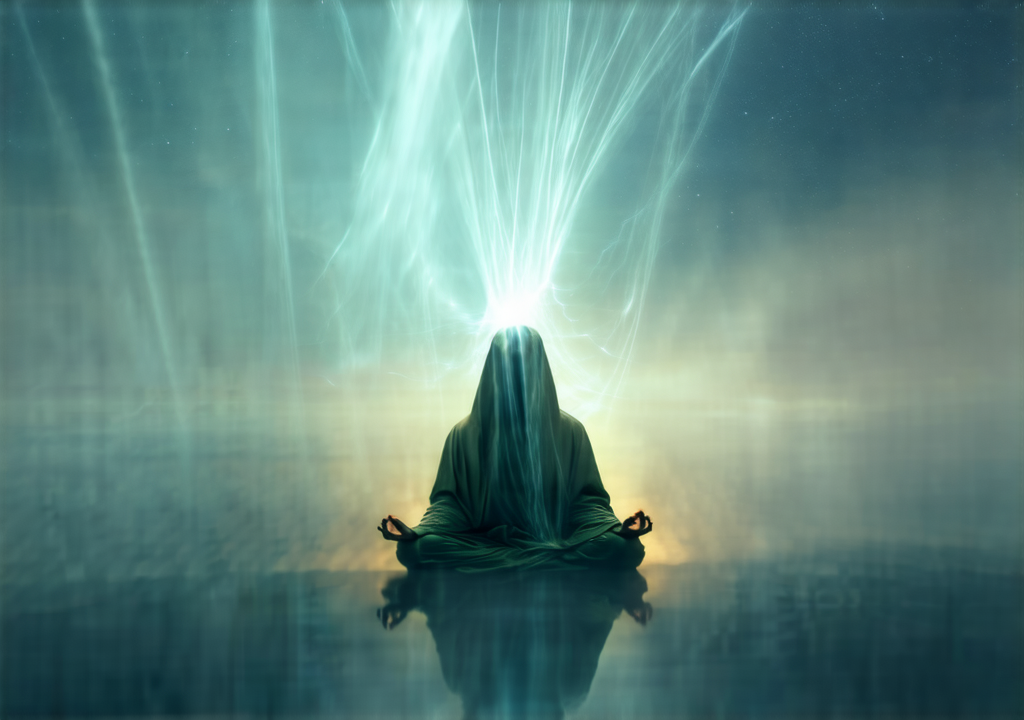
If you’ve been approaching your spiritual life like a professional, with carefully curated practices and a personal schedule of devotion, then congratulations on being thorough. But there is something else at work in the world that has been quietly doing far better work than any of us expect it to do. The old prayer method — the one we tend to dismiss as quaint, overly formal, or simply too slow — is secretly better than what you’re doing now. Let me explain why.
I first encountered this idea through an old monk who had spent seventy years in contemplative prayer and who looked back on his life with remarkable clarity about what worked. He told me that the monks who kept their ancient methods were generally more at peace — not because they possessed some mystical quality, but simply because they did something right for a long time.
Most of us approach prayer as if it is one among many tools in our spiritual toolkit: we switch between techniques based on what feels efficient, or what we read about in a book, or what looks good in the moment. We pray while walking, or sitting, or lying down, with varying degrees of success. The problem isn’t that modern prayer is bad — it’s simply that it lacks something essential.
The old method recognizes that prayer is not merely a practice you perform but rather a relationship you maintain. This distinction matters enormously when deciding how to spend your time on earth. When the monks stopped worrying about whether they were doing enough and began instead wondering whether their prayer was directed at someone real, everything changed for them. You might find something similar in your own experience: perhaps some prayers have seemed more genuine than others, or some moments of devotion have felt like contact rather than construction.
What sets this method apart is its insistence that you are not creating a state to achieve but discovering a presence already present. Modern prayer often involves constructing something — an atmosphere, a mood, a particular quality of attention — and then hoping to inhabit it. The older method simply opens the door and waits. It has been doing so for centuries without any need to prove its worth.
Consider this: how many times have you tried a new prayer technique only to find that after the novelty fades, you return to something simpler? How many times has the most effective part of your spiritual life turned out to be the thing you had dismissed as too basic? This old method is quietly superior precisely because it does not try to impress itself upon you. It simply shows up each day with a steady presence that works whether or not you feel moved by it.
The reason so many people find this approach so effective has less to do with what they feel during prayer and more to do with how their lives unfold afterward — in the quiet moments between prayers, when something unexpected seems to appear without any particular effort on their part. These are not mystical experiences in any dramatic sense; they are simply the result of staying present long enough for truth to speak its own language.
The best prayers you have ever prayed were probably the ones that happened without your full attention — and the best prayer methods are those that continue to work even when you’re distracted, tired, or bored with them entirely. This is why the old method works better than most modern approaches: it does not demand perfection from you in order to function effectively.
The monks who have practiced this method for generations know something we are beginning to rediscover — namely that prayer, at its deepest level, is not about doing anything special but rather about becoming the kind of person capable of receiving what was offered all along. They know this because they’ve seen hundreds of people try different methods and return again and again to something remarkably simple.
You might want to consider returning to it yourself — or perhaps continuing where you are now, with whatever method feels most natural to you. Either way, the important thing is not which method you choose but whether your prayer is directed toward someone real rather than merely toward an idea about what prayer should be. The old method continues quietly doing its work while we discuss our modern preferences; it has been doing so long before us and will continue to do so long after.


Recent Post


Gallery






Featured Videos








No Comments