


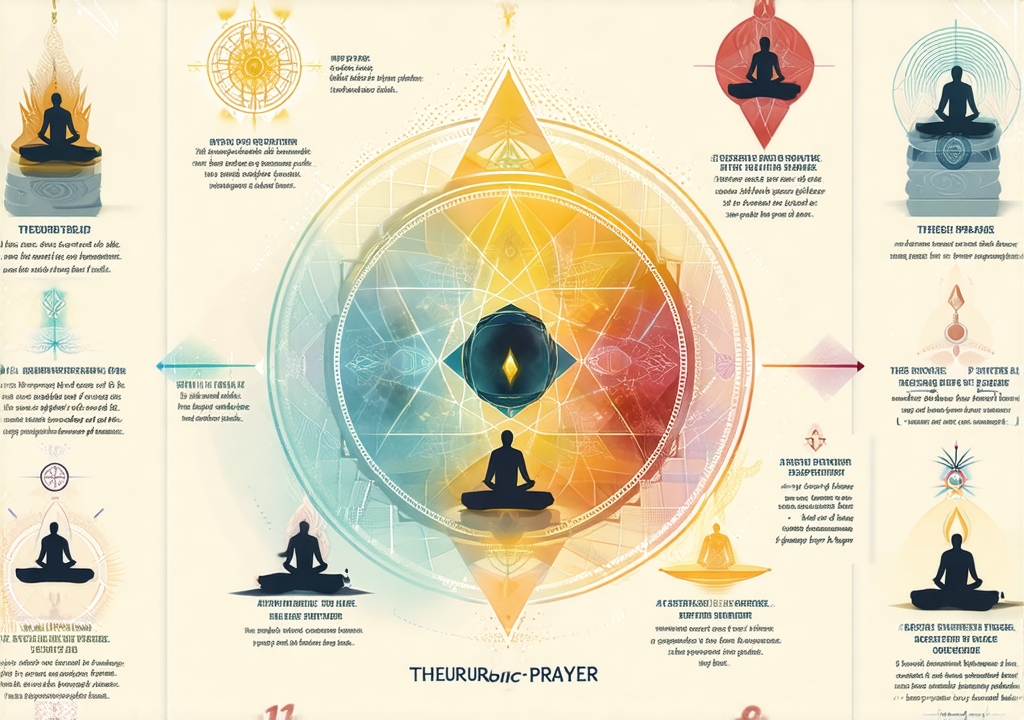
Theurgic prayer is one of the most profound yet least understood practices from antiquity, a sacred art where believers didn’t merely ask for divine favor but genuinely communed with the gods themselves. Unlike ordinary prayer—which often feels like sending prayers upward to distant deities—theurgy (from the Greek theourgia, meaning “god-working”) is an active, participatory practice that creates real spiritual union between human and divine.
1. Elevating Your Consciousness Beyond Ordinary Perception
Theurgic prayer requires practitioners to elevate their consciousness through specific meditative states, ritual practices, and focused intention. Ancient theurgists spent hours in contemplation before attempting communion with deities, using techniques like fasting, chanting, and visualization to reach higher spiritual planes. When you practice this elevated state regularly, you train your mind to perceive realities beyond the mundane world—giving you a heightened awareness that persists even when not formally praying.
2. Building Direct Relationships with Divine Forces
Unlike ordinary prayer where prayers might feel lost in some cosmic void, theurgy establishes genuine relationships between practitioner and deity. Each divine being has specific attributes and preferences; understanding these allows practitioners to communicate more effectively. Over time, this creates a living relationship that goes beyond mere petition—you become someone whose prayers carry weight because you have built an authentic connection with those who hear them.
3. Developing Inner Strength Through Divine Immanence
Theurgic prayer teaches that divinity exists within as well as outside the practitioner. This realization is transformative: when you understand divine forces reside in your own being, you begin to draw upon inner reservoirs of power that were always available but previously unnoticed. The practice essentially opens channels through which divine energy flows into and through human consciousness, strengthening both spirit and will.
4. Cultivating Patience Through the Ritual Process
Theurgic prayer isn’t quick—it’s deliberate. Ancient practitioners would spend extended periods in contemplation before receiving signs of communion: some waited days, others years. This patience isn’t passive waiting but active participation; each moment spent in quiet anticipation deepens the connection. In a world obsessed with instant results, this practice builds the rare and valuable quality of patience that makes everything else easier to bear.
5. Strengthening Will Through Focused Intention
Where prayer is often spontaneous conversation with deity, theurgy requires precise intention—every gesture, every word, every moment of silence carries specific meaning. This constant exercise in focused attention strengthens willpower in ways that ordinary meditation doesn’t reach. The practitioner learns to hold complex intentions over extended periods, developing a mental strength that proves useful both during prayer and throughout daily life.
6. Discovering Purpose Through Active Participation
Rather than simply asking the divine “What do you want from me?” theurgic practice begins with “What am I doing in relation to the divine?” This subtle shift—from passive recipient to active participant—creates a sense of purpose that persists beyond prayer sessions. Ancient practitioners didn’t merely pray; they enacted divine purposes through ritual, and this active participation created lasting meaning that transformed how they lived each day.
7. Building Resilience Through Spiritual Connection
When you regularly connect with divine forces that ancient people believed were both transcendent and immanent, you develop a deep inner resilience that ordinary prayer can’t provide. Theurgic practitioners report not just occasional spiritual experiences but ongoing awareness of divine presence that makes difficulties easier to face and joys more meaningful. This resilience isn’t about avoiding hardship; it’s about having something deeper to draw upon when hardship comes.
Why Practice Theurgic Prayer?
In an age where many feel disconnected from both the sacred and the practical, theurgic prayer offers something rare: a way to bridge these divides. You get spiritual connection and inner strength; you receive divine favor while developing your own capacity for divine work. Ancient practitioners called this “god-working” not because they were doing magic but because they were participating in the creative power that makes reality what it is.
The practice requires commitment—genuine time, genuine intention, genuine receptivity—but those who practice find that prayer becomes something other than mere conversation with deity. It becomes communion itself, and communion, as any mystic or theologian will tell you, is where transformation happens.


Recent Post



Gallery






Featured Videos








No Comments