


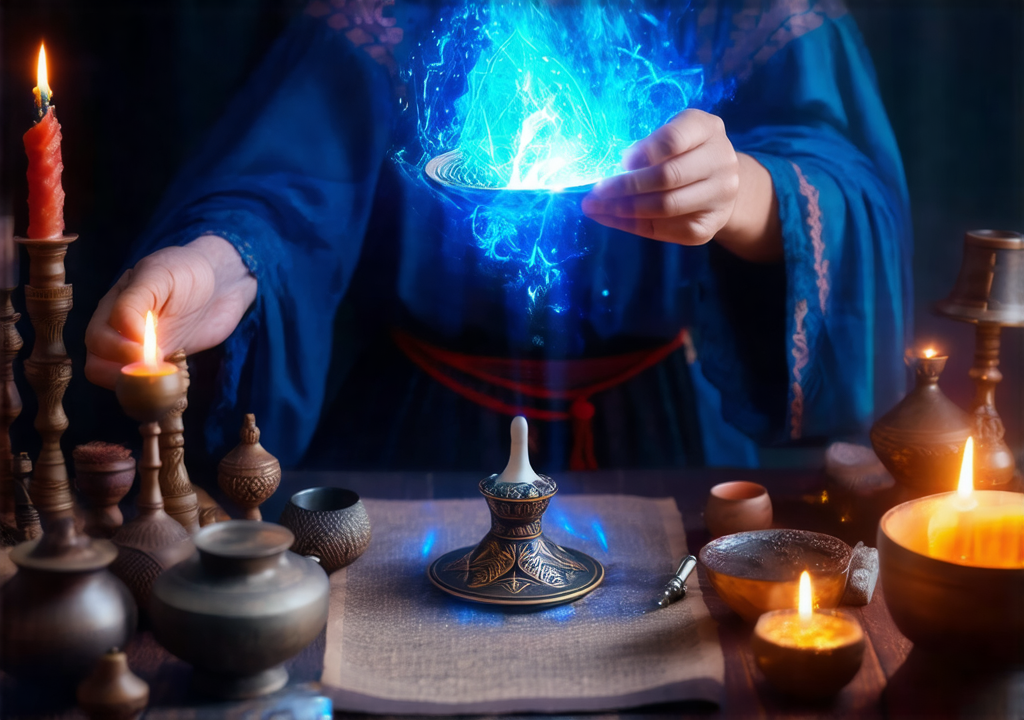
Introduction to the Sacred Art
At its core, alchemy represents one of humanity’s most profound endeavors — the belief that base matter, whether lead, iron, or even the human spirit itself, can be elevated through transmutation into gold and beyond. This ancient wisdom holds within it a hidden truth: what we perceive as ordinary is merely latent potential waiting for the right catalyst to awaken its true form. The process of alchemical transmutation operates on principles both literal and mystical, bridging chemistry and spirituality in ways that modern science is only beginning to understand.
The Nature of Base Matter
In the alchemical worldview, every substance carries within it an essential nature — a divine spark seeking expression. Lead, considered the lowest of metals in classical alchemy, contains within its dense, dark form all potential for elevation. Through proper purification and transformation, lead can become antimony, tin, copper, silver, and ultimately gold. The key insight is that matter is not fixed but fluid, capable of receiving new forms when subjected to the appropriate conditions.
But this principle extends beyond physical substances. Alchemical thinkers understood that human beings themselves are a form of base matter — our earthly bodies carrying within them the seed of divinity. The transmutation we seek operates on two planes simultaneously: the material and the spiritual, each influencing and elevating the other.
The Role of Fire in Transmutation
Fire stands as perhaps the most fundamental element in alchemical practice. Not merely the physical flame consumed from a furnace, but what modern thought calls “The Alchemist’s Fire” — an internal fire that operates within the sealed vessel (the athanor) to effect transformation. This inner fire begins with heat alone and deepens through successive stages until it reaches perfection.
In its early stage, this fire operates primarily on the outer material, drawing moisture from lead or other base substances. As work continues, the fire penetrates deeper into the substance’s nature itself, reaching what alchemists call “the inside of earth.” Here lies a crucial distinction: true transmutation does not occur through mere heating but through exposure to a specific type of fire — one that works slowly and continuously without destroying the material it transforms.
The Alchemist’s Fire Explained
The concept of The Alchemist’s Fire represents more than metaphorical warmth; it is a precise condition or state of matter that initiates transmutation. When properly applied, this fire operates within a sealed vessel where external air cannot interfere with delicate processes occurring inside. The sealed environment preserves what would otherwise be lost — volatile principles remain contained and participate fully in the transformation rather than escaping as mere vapor.
Within this sealed vessel, the process moves through recognizable stages:
- First, blackness appears (Nigredo), signifying initial decomposition of base matter
- Next greenness emerges (Viridescence), indicating life returning to the material
- Then whiteness follows (Albedo), showing purification
- Finally, redness manifests (Rubedo), completing transmutation
Each stage corresponds to specific internal conditions. The fire must be neither too hot nor too cold — it must create an environment where transformation occurs gradually rather than through violent rupture or slow decay.
Beyond Physical Transmutation
While the physical transmutation of metals has practical value, alchemy’s true gift lies in its spiritual application. The same principles governing lead-to-gold conversion apply equally to the human soul: purification through suffering and effort produces not gold but enlightenment. The “lead” of our dense, earthly nature becomes “gold” — a refined consciousness capable of perceiving divine realities beneath ordinary appearances.
The alchemist who works on both levels simultaneously recognizes that external transformation mirrors internal work. The sealed vessel becomes the human body; the fire within represents spirit awakening matter; the gold produced is not mere metal but embodied wisdom.
Practical Application Today
Modern practitioners recognize The Alchemist’s Fire in many forms: as meditation practice, as artistic creation, as the disciplined application of attention to any task until it yields its hidden result. Whether transmuting lead into physical gold or ordinary consciousness into spiritual awareness, the method remains constant — sustained exposure to proper conditions until transformation occurs naturally rather than being forced through will alone.
Conclusion: The Endless Art
The enduring fascination with alchemy stems from recognizing that transmutation never truly ends. Even gold itself is not final; it represents merely one stage in an infinite process of refinement and elevation. The Alchemist’s Fire continues burning within every sealed vessel, waiting for the practitioner to open and witness what has been created. Through this ongoing work, base matter — whether lead or human spirit — finds its way toward divinity through fire, patience, and sustained attention.


Recent Post



Gallery






Featured Videos





No Comments