


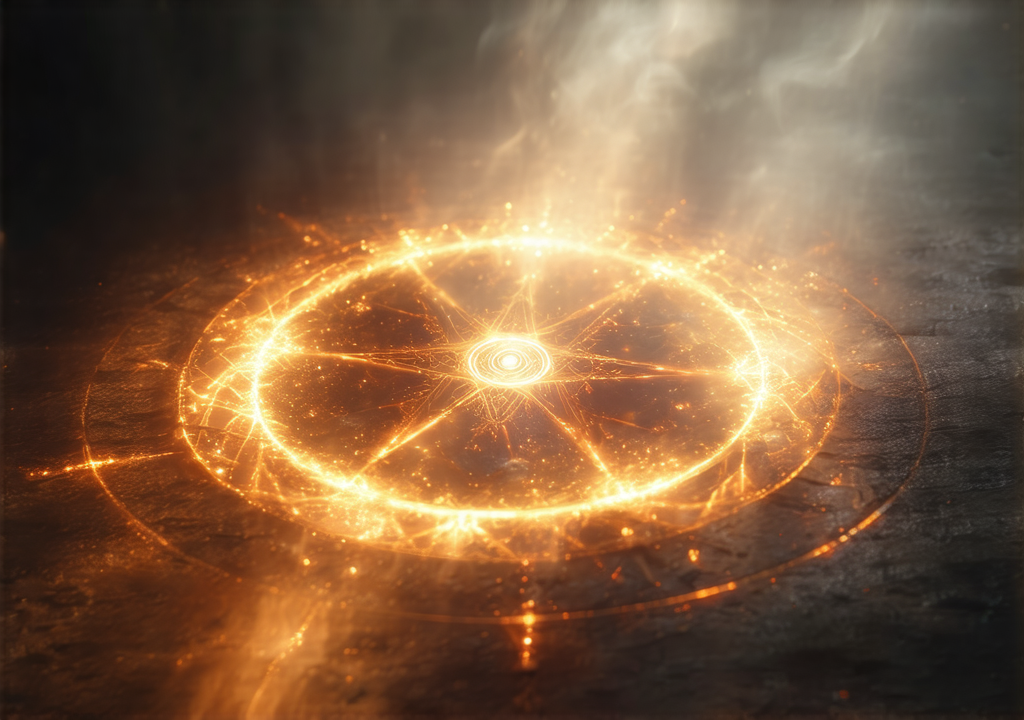
Ceremonial magic is not merely the recitation of ancient formulas or the casual waving of incense before an altar. It is, at its heart, one of humanity’s most precise and demanding arts—a practice where intention meets cosmos through meticulously structured ceremony, where every gesture, word, and symbol carries weight far beyond its immediate presence. To master it requires understanding not only what we do but why we do it, and in that understanding lies the path to true mastery.
What Makes Ritual Ceremony?
At its core, a ceremonial ritual is an intentional act performed within carefully prepared boundaries. The word “ceremony” itself derives from Latin carmere, meaning “to sing”—the idea that sacred speech shapes reality. Throughout history, cultures have developed distinct traditions: the Hermetic ceremonies of Western esotericism, the Vedic yajnas of India, the magical rites of ancient Egypt and Greece, and countless others. What unites them is a common principle—that deliberate action within sacred space, performed at appropriate times with focused will, can effect genuine transformation.
A true ceremonial ritual differs from mere prayer or meditation by its elaborate preparation, symbolic richness, and multi-sensory engagement. It involves:
- Preparation of space (the temple or circle)
- Selection of timing (planetary hours, lunar phases, astrological transits)
- Invocation of powers (deities, angels, elemental forces, spirits)
- Performance of actions (drawing sigils, chanting, offering sacrifice)
- Consecration of tools (wands, athambs, cups, pentacles)
The Architecture of a Well-Wrought Ritual
A properly constructed ceremony follows an architectural logic. Just as a cathedral is not built haphazardly but according to precise plans, so too should a ritual unfold with clear intention and structure. The typical sequence runs:
- Preparation—purification of body and mind, drawing the circle or setting up the altar
- Invocation—calling upon the appropriate powers
- Conjunction—uniting the practitioner with those invoked powers
- Operation—the central action (healing, divination, binding)
- Thanksgiving and release
Each stage serves a purpose. The circle creates separation from mundane concerns; the invocation names and summons specific forces; the conjunction establishes connection; the operation executes intent; and thanksgiving releases the energy back into the universe without exhausting it.
Mastery Through Practice
Now, let us address how one actually masters these practices—not through memorizing endless texts or collecting elaborate tools, but through consistent, deliberate practice with deep reflection. The path to mastery in ceremonial magic requires:
Study of the sources: Reading the classical texts (The Key of Solomon, the Book of Thoth, Abramelin’s Master Work) provides foundation—but only when applied. The student who reads and does not practice is like a carpenter whose hands never hold a saw.
Deliberate repetition: Perform each ritual with full attention until it becomes second nature. Then perform it again—not mindlessly, but with increasing depth of perception each time. Mastery emerges from this repeated engagement, refined by insight.
Attention to detail: A single mispronounced word or misplaced hand can alter the effect of a rite. The ceremonial magician cultivates precision in both outer action and inner intention. This is why the great texts emphasize correct timing (the planetary hours), correct gesture, and even correct breathing patterns.
Record keeping: A true practitioner maintains journals documenting each ritual performed—the time, place, intent, outcome—allowing pattern recognition over months and years. Patterns reveal what works and what doesn’t, refining one’s technique organically.
Common Pitfalls to Avoid
Most practitioners falter not from ignorance but from habit:
- Rushing through ceremonies without allowing the symbolic actions to sink into the body
- Treating ritual as rote performance, going through motions mechanically while thinking of lunch
- Overcomplicating rituals with excessive decoration when simple purity and focused intention suffice
- Ignoring planetary and lunar timing—not that every action requires perfect alignment, but that choosing appropriate times enhances effect
The Secret No One Tells You
The secret to mastering ceremonial rituals is simpler than most assume: begin small, practice thoroughly, reflect honestly. A short ritual performed with full attention and deep intention each day builds mastery far more effectively than occasional grand ceremonies performed absent-mindedly. The great ones were not those who memorized the longest prayers or collected the rarest relics—they were practitioners who understood that ceremony is ultimately a conversation between human will and cosmic forces, conducted in the language of symbols.
The path before you demands patience above all else—patience with yourself as you learn, patience with the rituals themselves as they develop over years, and patience with your own progress as true mastery unfolds slowly like a garden blooming season by season. Begin where you are, with what you have, and practice deliberately. The rest will follow.


Recent Post



Gallery






Featured Videos








No Comments