


Introduction: Why Ritual Feels Different in the Presence of Ceremony
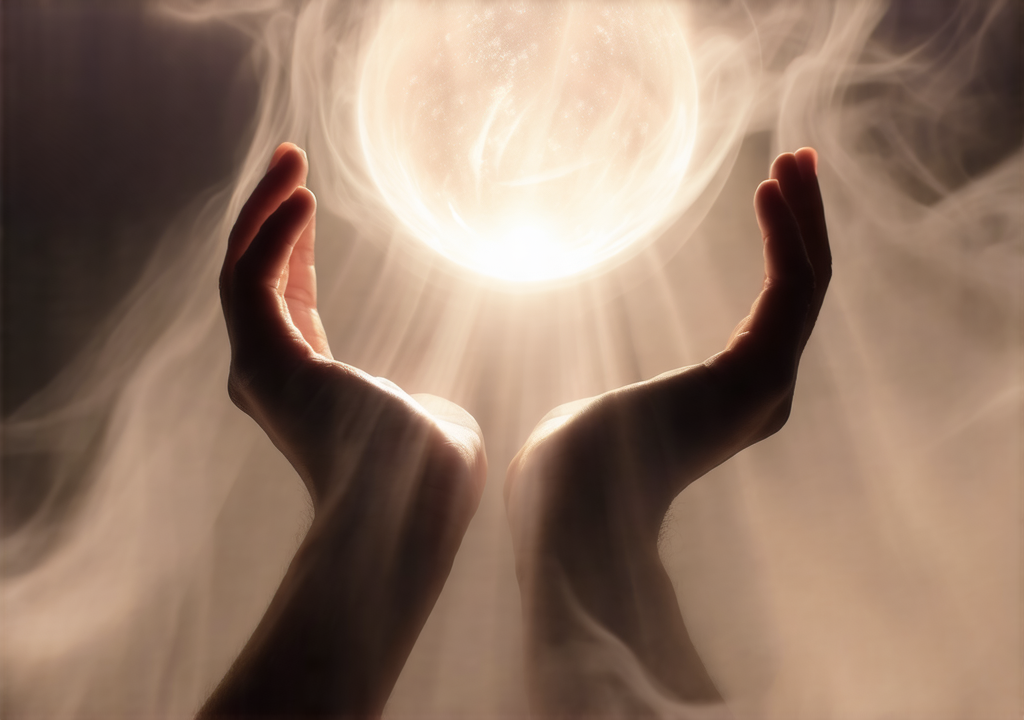
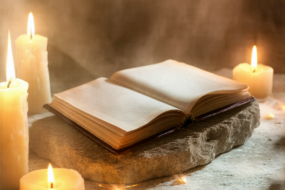
Have you ever noticed how certain rituals carry an unmistakable weight? Light a candle before speaking your intention, and something shifts. Speak words before an audience gathered in silence, and those words seem to echo longer than they should. There’s an old adage that says “ritual is what we do; ceremony is the meaning behind it.” In true ceremonial magic—the ancient, disciplined practice of high ritual—we find not just repetition but resonance: rituals become deliberate instruments for transforming consciousness itself.
The reason ceremonies feel more potent than ordinary practices has much to do with how human beings process reality when structure and precision are applied to our actions. Ceremony is the architecture within which ritual takes place. When you enter a ceremony, you step into a space that has been prepared specifically to receive your intention—whether physical space (like a sacred circle), temporal space (a specific moment marked as distinct from ordinary time), or even psychological space (a mental posture of attention and reverence).
What Makes Ceremonial Rituals So Powerful?
Ritual, at its core, is the intentional use of symbols to shape experience. But ceremony elevates ritual by adding precision: the exact words spoken, the particular order of actions, the arrangement of elements in space, the timing relative to natural cycles or cosmic alignments. This precision matters because our minds respond powerfully to patterns and structure. When every detail has been chosen with intention—every gesture, word, object, sequence—a ceremony creates a kind of container that holds both meaning and energy.
Ceremonial magic draws on several overlapping principles:
The Principle of Correspondence: Every element in the ritual corresponds to something larger—the candle to fire, the incense to the spirit rising upward, the circle to wholeness and protection. When these correspondences are clear and intentional, the ritual becomes a microcosm reflecting the macrocosm, a way of expressing cosmic order through human action.
The Principle of Intention: At its heart, ceremony is about focused intention. A thought alone can be fleeting; but when that thought takes form in gesture, spoken word, and material symbols, it begins to resonate beyond ordinary consciousness.
The Principle of Reciprocity: Ancient wisdom held that the universe responds to human participation. Ceremony creates a bridge between our inner world (our thoughts, feelings, intentions) and the outer world we inhabit. What we offer through ceremony, we receive in return—not necessarily as external reward but as internal transformation.
The Principle of Sacred Space and Time: Rituals create “thin places” where ordinary time becomes special. When a ceremony is performed at the proper hour, under the right stars, within consecrated space, it taps into currents that run beneath everyday life.
The Structure Behind Ceremony: Why Precision Matters
In ceremonial magic, precision isn’t pedantry—it’s power. Every element serves a purpose. A pentagram drawn with exact proportions channels different energies than a circle or hexagon would; the position of each direction corresponds to specific virtues and elements; the sequence in which actions occur matters as much as the actions themselves.
This precision exists because ceremony is an art form as well as a practice. Think of how a master musician performs within a strict musical structure—the sonata, the fugue, even jazz—yet somehow makes it feel natural and alive. Ceremonial magic works similarly: within rigid frameworks of gesture, speech, and arrangement, there’s room for expression that feels deeply personal and genuine.
What’s surprising is how quickly this precision begins to affect you when you enter a ceremony with real intention. The structured environment doesn’t constrain you; it clarifies your attention, lifts you into a different state of consciousness where ordinary distractions fall away, and where your inner resources become available in ways they often aren’t during ordinary life.
How Ceremonial Rituals Work on the Deeper Levels
Ritual operates on multiple levels simultaneously:
- The psychological level: By focusing attention through specific symbols and actions, rituals shift our mental state toward receptivity, clarity, and insight.
- The somatic level: The body participates in ritual—breathing patterns, posture, movement—creating physical states that support spiritual work.
- The symbolic level: Symbols are not mere decoration; they carry meaning directly to the subconscious, where much of our deepest processing occurs.
- The relational level: Ceremony creates relationship between participants, between participants and symbols, between participants and whatever they’re addressing (whether a deity, principle, or inner reality).
When these levels work together, ritual becomes transformative—not just pleasant or meaningful, but genuinely changing what’s inside us in ways that endure.
How to Tap Into the Power of Ceremony Yourself
You don’t need elaborate tools or formal training to experience ceremonial power. The key is intentionality—choosing to make your practices into ceremonies rather than mere routines:
1. Choose a Practice That Matters: Start with something you do regularly—an evening meditation, morning gratitude practice, or even simply setting intention before beginning each day. Ask yourself what deeper meaning could live within this ordinary act.
2. Add Structure Intentionally: Decide on specific gestures (perhaps lighting a candle), words (perhaps speaking aloud your purpose), and symbols (perhaps choosing objects meaningful to you). Keep them consistent—they’ll become anchors for your practice.
3. Create Sacred Space: Even if it’s just turning off the lights, playing soft music, or sitting in a particular chair with specific intention, creating physical space for ceremony signals to yourself that something different is happening here.
4. Be Precise: When you do the ritual, do it precisely—pay attention to each gesture and word rather than going through motions. Let it become a living presence, not an automatic habit.
5. Reflect Afterward: Notice what shifts within you afterward. Ceremonial practice reveals its effects most clearly when you pay attention to your own transformation.
The Enduring Wisdom of Ceremony
The ancient practices of ceremonial magic were never meant to remain frozen in history—they’re living traditions, meant for real life. When you enter ceremony with genuine intention, you’re participating in something that has worked for millennia: the deliberate use of human consciousness as a creative force, shaping reality through focused action and symbolic expression.
What makes this so surprising is how accessible it remains—anyone can practice ceremonial magic at home, without elaborate apparatus or formal initiation. What matters most isn’t what you do but why you do it, whether your actions carry genuine meaning rather than becoming mere habit. When ceremony becomes real for you—in its intention, precision, and participation—it begins to shift everything around you, transforming not just individual practices but the very nature of how you inhabit life itself.
The power of ceremonial ritual isn’t hidden in some distant mystery; it’s waiting right where you are, ready to enter your practice with full attention and sincere purpose.


Recent Post


Gallery






Featured Videos




No Comments