


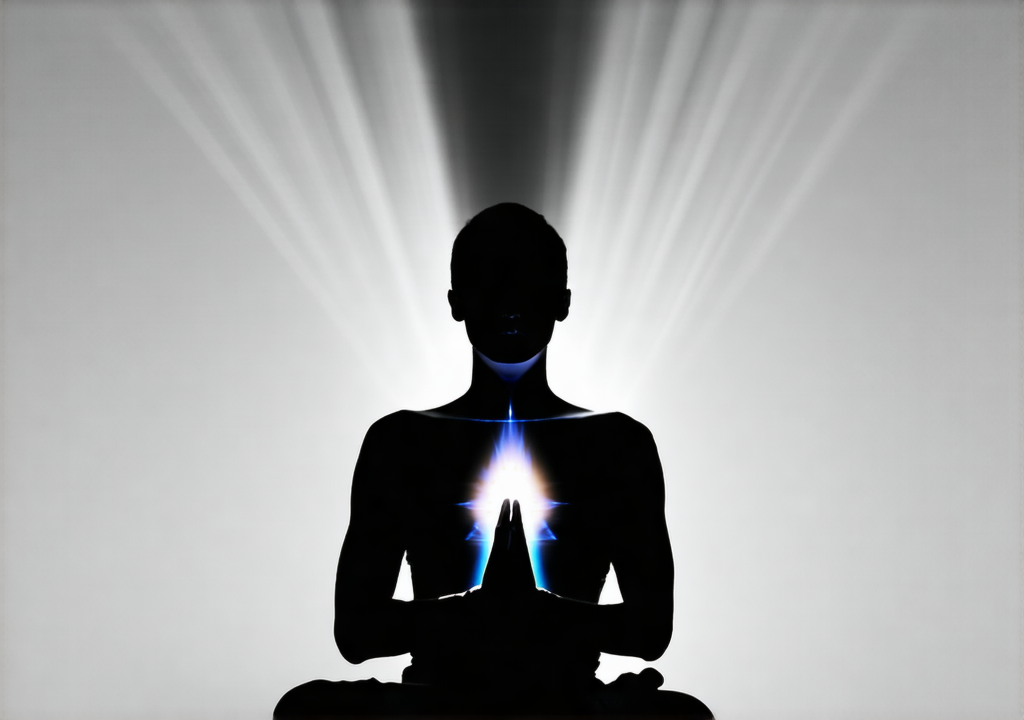
If you’ve ever stumbled upon a text on ceremonial magic, you might have found yourself staring at diagrams of pentagrams and circles of Solomon, wondering whether this is merely an ancient curiosity or something with genuine power. The answer depends on what you bring to it—and more importantly, on what you understand before beginning the work itself.
What Ceremonial Magic Actually Is
Ceremonial magic—the kind practiced by figures like Cornelius Agrippa, John Dee, and later by Eliphas Lévi and Aleister Crowley—isn’t about waving wands at children or casting quick spells of convenience. It is high ritual: deliberate, precise, structured practice aimed at transformation through symbolic acts performed in specific configurations of time, space, and intention.
At its heart lies a single principle that distinguishes it from other magical traditions: the understanding that the external world responds to internal structure. Unlike folk magic, which might rely on herbal properties or local spirits, ceremonial magic works through deliberate symbol construction—using geometry, numerology, language, and ritual space as instruments of will.
The Core Distinction: Magic versus Magick
This may seem pedantic, but it matters enormously. When practitioners write “magick” with an ‘x’—as Crowley did in The Book of the Law—they were drawing a distinction between ordinary magic (which might encompass fortune-telling and folk practices) and magick proper, which is defined as the science of the self. In this framework, ceremonial magic becomes less about changing external circumstances than about understanding how consciousness can project itself through ritual action to effect real change.
The “one thing” I wish people knew before embarking on this practice is that ceremonial magic demands discipline—not just in learning its techniques but in maintaining a coherent worldview. You cannot treat it as mere decoration or aesthetic interest; you must engage with its symbols seriously, even if you ultimately disagree with them. The value lies not necessarily in whether you believe every detail literally, but in whether the structure you adopt serves your purposes.
Historical Foundations
What makes ceremonial magic distinctive is that it comes from a specific tradition: Western esotericism, stretching back through medieval grimoires to Hellenistic magical papyri and possibly beyond. The key texts—the Corpus Hermeticum, the Key of Solomon, and later works like Three Books of Occult Philosophy—provide not just recipes for spells but entire cosmologies: understandings of how heaven connects to earth, how spirit relates to matter, how angels, elements, planets, and zodiacal signs interrelate.
When you enter a ceremonial magic circle, you are literally entering into this tradition—a conversation with centuries of practitioners who have used similar structures for the same fundamental purpose: to make the invisible visible through deliberate action.
The Essential Elements
The practical side involves several key components that work together systematically:
1. The Circle and Its Variations: Whether you draw a simple pentagram or a complex hexagram, these geometries create sacred space where specific energies can be worked with.
2. Planetary Hours and Timing: Ceremonial magic typically invokes planetary correspondences—using the hour of day, day of week, and lunar phase to align ritual actions with cosmic rhythms.
3. Names and Signs: The invocation of divine names, angelic signatures, and elemental seals serves as a kind of symbolic language that carries intention forward through its structure alone.
4. Visualization and Will: Perhaps most importantly, the practitioner must hold clear mental images during the ceremony while directing will toward specific ends. Without this internal component, external symbols are merely decoration.
Why This Matters Now
You might ask: In an age of scientific understanding, why bother? The answer lies not in rejecting science but in recognizing that ceremonial magic offers something distinct from it—a way of engaging with reality through symbolic and imaginal structures rather than purely empirical ones. The practices remain relevant precisely because they address human needs—meaning, intention, transformation—that science neither negates nor supersedes.
Practical Advice for Beginners
Before embarking on any serious practice in ceremonial magic:
- Choose a system that resonates with you (The Golden Dawn tradition is an excellent starting point).
- Learn one complete ritual thoroughly rather than sampling many superficially.
- Practice regularly and keep records—your results will deepen over time as your understanding matures.
- Don’t become attached to literalism—you need not believe every symbol literally for the practice to work, but you must engage with it earnestly.
Conclusion: The One Thing You Must Know First
The one thing that transforms a curious novice into a genuine practitioner is this: ceremonial magic is not about acquiring powers from outside yourself but about discovering and exercising powers that are already within you. Everything—the circle, the names, the geometries—is simply a mirror for your own will to see itself clearly and act accordingly.
If you approach it with that understanding, if you treat the symbols seriously without being imprisoned by them, you may find—perhaps not immediately but in time—that this ancient practice has something genuine to offer: a disciplined structure through which to discover what you already possess within yourself.


Recent Post


Gallery






Featured Videos




No Comments