


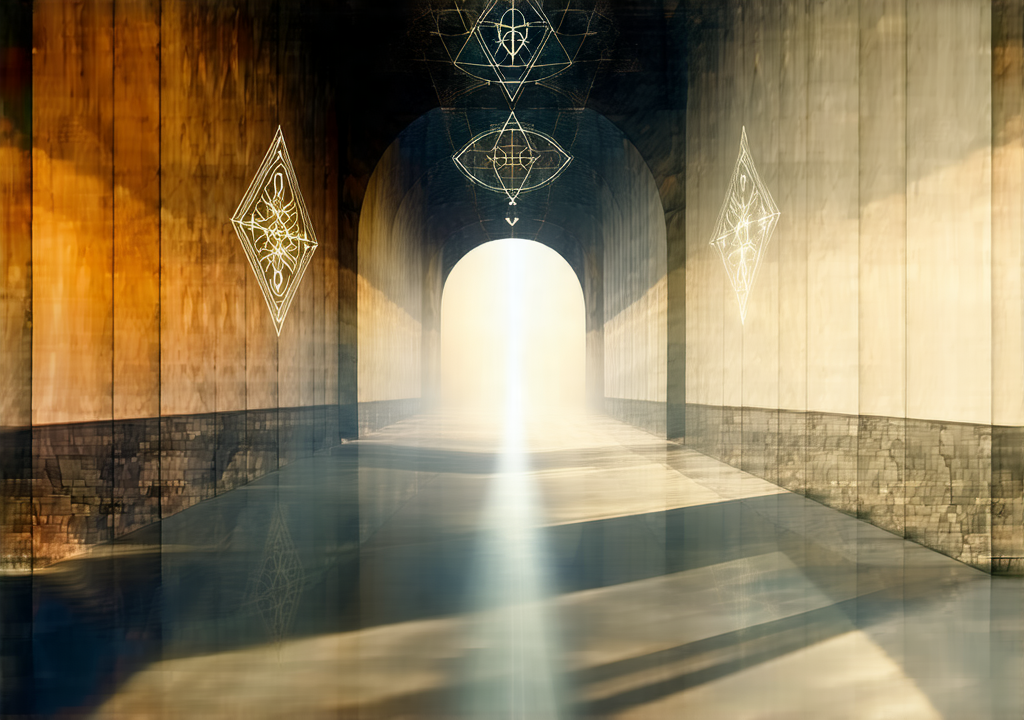
The Story Behind Ceremonial Magic
Ceremonial magic—often called high ritual—represents one of humanity’s oldest and most precise forms of spiritual practice. It is not merely about casting spells or reading tarot cards; rather, it involves the careful orchestration of symbols, words, gestures, and materials to create a sacred space where intention becomes reality. When we say “ceremonial magic,” we are referring to a tradition that spans millennia, one that demands precision, patience, and deep understanding of both the visible world and the invisible forces that shape it.
The word itself comes from the Latin caere monium—”to institute by sacred rite”—and this etymology captures something essential about what ceremonial magic actually is: a structured system where every element has purpose, every gesture carries meaning, and every spoken word participates in something larger than individual prayer or meditation.
Ancient Roots of Ritual Practice
The foundations of ceremonial magic extend back to ancient Egypt, where priests practiced ritual magic using precisely defined formulas, incense, and elaborate ceremonies that mirrored the movements of celestial bodies. The Egyptian Book of the Dead contains not only prayers for the afterlife but also specific instructions for magical ceremonies involving offerings, recitations, and symbolic gestures.
Perhaps even more influential was Hermetic tradition—named after Hermes Trismegistus—a Greco-Egyptian figure whose teachings blended Egyptian wisdom with Greek philosophy. The Emerald Tablet attributed to him contains some of the most enduring principles of ceremonial magic: “As above, so below; as within, so without.” This axiom—that the microcosm reflects the macrocosm—became central to all ritual practice that followed.
Defining Ceremonial Magic
What distinguishes ceremonial magic from other forms of magic? Several key factors separate it from more folk or intuitive magical traditions:
Precision and Structure: While folk magicians might perform a healing charm with herbs and incantations, ceremonial magic requires precise arrangements—the positioning of tools, the sequence of invocations, the exact words spoken. Every element serves a purpose.
Ritual Implements: The traditional implements include the pentacle (representing earth), wand (air/fire), cup (water), sword (spirit), and athame (a ritual knife). Together with robes, candles, and incense, these create what practitioners call “the tools of the magician.”
Theurgy vs. Goetia: Ancient Greek texts distinguished between theurgy—working through divine inspiration—and goetia, working by will and formula. Ceremonial magic incorporates both traditions.
The Architecture of Ceremony
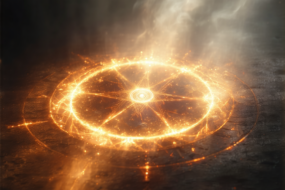
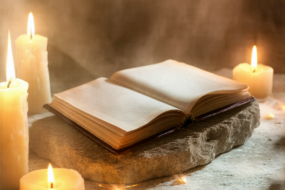
A ceremonial ritual operates like a sacred architecture. Consider the typical setup: a circle drawn on the ground, inside which specific directions are marked (north, south, east, west), each associated with elements, colors, and divine names. At the center sits an altar bearing candles in sequence—red for fire, green for earth, blue for water, yellow for air—with a pentacle placed at the heart of all.
The magician then enters the circle—a symbolic boundary separating sacred from profane space—and proceeds through prescribed invocations. Each spoken word carries specific power; each gesture connects to cosmic correspondences. This is not mere theatricality but genuine participation in ancient systems that view reality as fundamentally structured and meaningful.
Modern Ceremonial Practice
The 20th century witnessed a remarkable revival of ceremonial magic, led by figures like Aleister Crowley (who founded the Ordo Templi Orientis), Arthur Edward Waite (creator of the Rider-Waite tarot deck), and later practitioners who drew on both ancient traditions and modern psychology. Today’s ceremonial magicians draw from:
- Kabbalistic lettering and divine names
- Astrological timing—performing rituals during specific planetary hours
- Elemental correspondences that link colors, numbers, directions, and symbols
- Larger philosophical frameworks including Neoplatonic philosophy and Hermetic teachings
The Living Tradition
What makes ceremonial magic enduring is its adaptability. While ancient in form, it remains alive in contemporary practice—used by modern practitioners for everything from spiritual development to healing, from divination to personal transformation. A 21st-century magus might use digital tools alongside traditional incense and candle arrangements; they might incorporate meditation techniques learned in yoga studios while maintaining the classical structure of ritual.
The ancient wisdom endures not because it is frozen in time but because its principles remain relevant: intention shapes reality, symbols carry power beyond their literal meanings, and careful arrangement creates resonance between the practitioner’s inner world and outer cosmos.
Conclusion
Ceremonial magic represents humanity’s attempt to participate consciously in what we might call the architecture of reality itself. It is ancient yet constantly evolving—a living tradition that maintains its core principles while adapting to new contexts. When someone performs a ritual, they are not merely repeating an old formula; they are engaging with something profound: the recognition that our actions matter, that symbols have power beyond their appearance, and that we live in a cosmos worth participating in.
The story behind ceremonial magic is ultimately a story about human intention—the desire to make meaning, to connect the visible world with invisible principles, to transform thought into action through carefully structured ritual. It remains one of humanity’s most enduring practices precisely because it addresses something essential: our desire to participate consciously in a cosmos that seems, somehow, to respond when we pay attention.


Recent Post
Gallery






Featured Videos




No Comments