


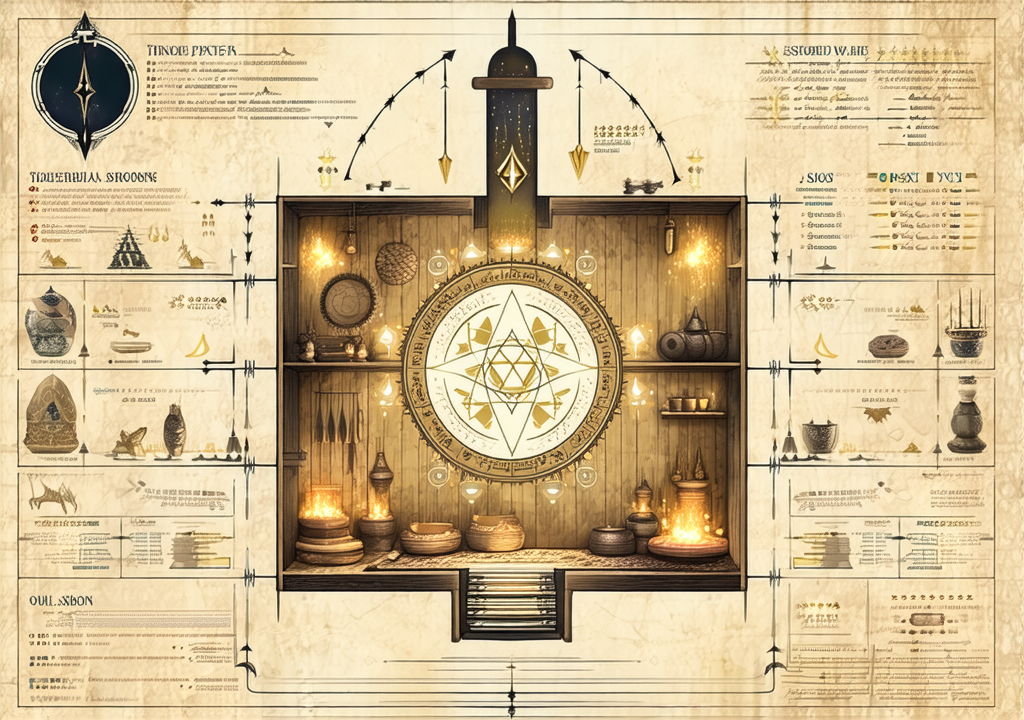
By an Authority on Ceremonial Magic
Ceremonial magic—the grand, high-ritual practice of Western esoteric tradition—is often misunderstood as little more than candle-lit incantation and elaborate costume. But beneath its surface lies one of the most sophisticated magical systems ever devised: a disciplined art that demands precision in execution, intentionality in thought, and deep understanding of the principles governing ritual work.
To truly master ceremonial magic is to recognize how rituals, ceremonies, and magic interlock within a single framework—and why each component matters.
Understanding the Distinctions: Ritual vs Ceremony
Before proceeding further, it’s essential to clarify terminology—because in ceremonial magic, precision of language reflects precision of practice.
A ritual is the structured sequence of actions performed to accomplish a specific magical end. The word itself derives from rītus, meaning “established way” or “rule.” In practice, rituals are where you actually do something: cast a circle, invoke a spirit, banish negative energy, close down at the end. Rituals have beginning, middle, and end—and they’re over when their purpose is fulfilled.
A ceremony, by contrast, is broader in scope. It encompasses not only ritual actions but also symbolic gestures, processions, feasting, music, and dramatic elements that set the tone and establish sacred space. A ceremony transforms ordinary time and ordinary place into something special—what the ancients called tempus proprium, “proper time” versus profane or ordinary time.
Think of it this way: a ritual is the engine; a ceremony is the entire performance—the setup, execution, and aftermath combined. You can perform multiple rituals within one ceremony, just as you might include several movements in a single act of theater.
The Three Pillars of Ceremonial Magic
At heart, ceremonial magic rests on three foundational pillars:
1. Ritual Work
Ritual work is the hands-on aspect—what happens when you light the candles and speak the words. This includes every action from setting up your magical tools to performing invocations, banishments, seals, and consecrations. In a typical session of ritual work, you might:
- Draw a pentagram or hexagram in chalk
- Set out elemental correspondences (candle for fire, cup for water)
- Speak the invocation with precision—each word matters
- Perform the gesture exactly as intended
- Seal your circle and close it at the appropriate moment
Ritual work is highly structured. There’s a specific sequence, specific words, specific gestures—and following them precisely makes a difference.
2. Ceremony
Ceremony is what transforms ritual work into something greater than the sum of its parts. A ceremony establishes sacred space (by creating and closing the circle), sacred time, and sacred intention. It sets the mood, builds atmosphere, and creates the container in which your ritual work operates at full power.
You might prepare for a ceremony by purifying yourself beforehand—bathing, fasting, or meditating. You might play music, light incense, or don ceremonial robes. All of this contributes to the sense that you are no longer in ordinary reality but somewhere else: something between this world and the next.
3. Magic (in the ceremonial sense)
In the context of ceremonial magic, “magic” refers to the broader practice itself—the entire system of symbols, correspondences, invocations, and magical workings performed within a ceremony or ritual framework. When someone says they’re doing “ceremonial magic,” they mean exactly this: using precise ritual actions, symbolic gestures, and verbal formulas to effect change in accordance with will.
Notice how these three components interlock: you perform ritual work (the actual actions) as part of a larger ceremony (the full performance), all within the broader practice of magic.
Key Elements of Ritual Practice
Circle Work
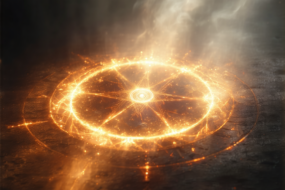
Almost every ceremony begins and ends with circle casting. The magical circle creates a protected space where your will can operate without interference from outside influences. In high ceremonial magic, this isn’t mere protection—it’s transformation of space itself, making it into a microcosm reflecting the macrocosm above.
Invocation and Banishment
These are perhaps the two most important ritual actions in ceremonial practice:
- Invocation: calling down or drawing toward you some power, spirit, or quality (the divine, an elemental force, a planetary influence)
- Banishment: removing unwanted influences, purifying space, clearing away residual energies before continuing your work
Symbolic Correspondences
Ceremonial magic is deeply symbolic. Every gesture, color, incense, and spoken word corresponds to something greater—a principle, an archetypal force, or a cosmic pattern. This isn’t mere decoration; it’s the language through which you communicate with higher realities. When you raise your wand upward while saying “As above, so below,” you’re not just reciting words—you’re enacting a real relationship between heaven and earth.
The Will
Perhaps the most essential element of all: will. In ceremonial magic, will is what animates every ritual action. Without focused, deliberate will, your ceremonies become mere formalities—empty gestures. But with clear intention and strong will behind each word and movement, you transform ceremony from passive observance into active creation.
How to Practice Ceremonial Magic Like a Pro
- Begin each session by purifying yourself—fasting, bathing, or meditating before your work
- Set up sacred space deliberately (cast the circle with clear intention)
- Prepare your tools beforehand (have candles, robes, incense ready at hand)
- Learn a few core rituals thoroughly rather than performing many superficially
- Speak each word clearly and deliberately—enunciation matters in invocation
- Follow the sequence precisely, but don’t be afraid to personalize your ceremonies once you understand them
- Keep a ritual journal so you can track what works, what doesn’t, and how your practice deepens over time
The Higher Practice
What separates mere ceremonial magic from truly high magick is not complexity of symbols or number of candles on the altar—but rather the depth of understanding behind each action. When an experienced practitioner performs a ceremony, every movement carries weight, every word rings with meaning, and every gesture connects visibly to the cosmic pattern being evoked in that moment.
This is why ceremonies from tradition—whether drawn from the Key of Solomon, the Hermetic Order of the Golden Dawn, or other great systems—are so powerful: they’ve been tested over centuries and refined to transmit genuine power across time.
Final Thoughts
To practice ceremonial magic like a pro is not about memorizing dozens of spells but about mastering the principles underlying all spellwork: precise ritual structure, symbolic depth, clear intention, focused will—and above all, reverence for what you’re doing.
When you step into your circle and speak in the language of symbols, when you perform each action with full awareness and deliberate intent—then, and only then, do you truly enter into the real work of high magic. The candles burn brighter. The air grows thick with presence. And somewhere between heaven and earth, something ancient stirs in response to your will.
That’s ceremonial magic at its finest: ceremony as art, ritual as science, and magick as something very much alive.













No Comments