


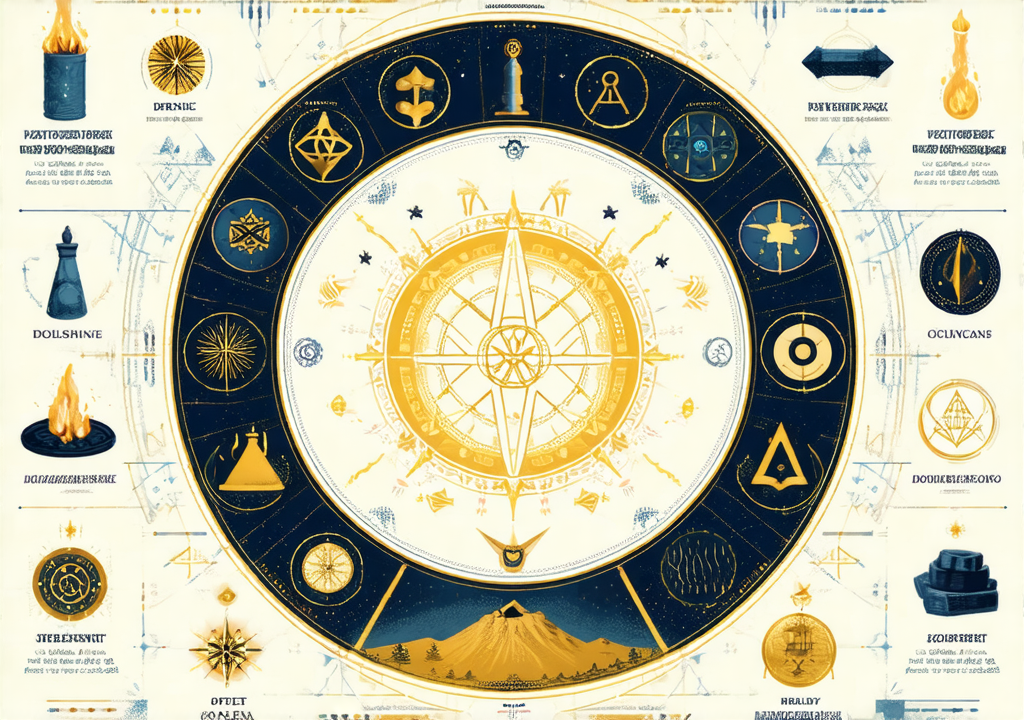
Ceremonial Magic — also known as High Magic or Solomonic Magic — is one of the most precise and structured forms of magical practice. At its core, it is a system where practitioners use specific rituals, symbols, invocations, and ceremonies to channel spiritual forces and achieve their desired outcomes. The word “ceremony” itself derives from the Latin caerimonia, meaning something set apart as sacred or significant — a fitting etymology for a discipline that treats ritual not merely as performance but as an exact art of spiritual engineering.
What Is Ceremonial Magic?
Ceremonial Magic distinguishes itself from folk magic (which tends to be practical and often intuitive) by its emphasis on form, structure, and precision. Where folk magic might involve casting a simple spell while the wind blows or placing herbs in an amulet without particular ceremony, ceremonial ritual demands careful attention to timing, direction, materials, words, and geometric arrangement. Think of it as the difference between tying any knot and performing the specific hand movements required for the sailor’s knot — one is functional; the other is deliberate artistry.
The tradition traces back to ancient practices but finds its most recognizable form in Western esotericism: the magical works of Athanasius Kircher, Heinrich Cornelius Agrippa, John Dee, Edward Kelley, and later practitioners like Dr. John Dee’s son, Henry Cornelius Agrippa von Nettesheim, whose Three Books of Occult Philosophy remains a foundational text for modern magicians.
The Core Elements of Ritual Practice
Every ceremonial ritual rests upon several fundamental elements:
Timing and Direction — Just as the earth is divided into quarters (north, south, east, west) and the sky into signs of the zodiac, practitioners align their work with celestial patterns. Specific days correspond to planets; specific hours carry particular energies. A working performed under Saturn’s influence carries a different quality than one conducted under Jupiter.
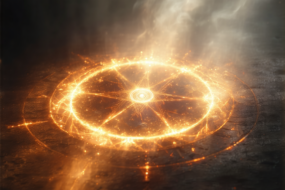
The Circle — Central to any ceremonial practice is the sacred circle, typically drawn on the ground or in the mind of the practitioner. This boundary serves multiple purposes: it defines sacred space separate from profane surroundings; it protects the magician from external influences; and it concentrates willpower for specific intentions.
Tools and Materials — Each tool carries symbolic meaning. The wand represents will; the sword signifies intellect; the pentacle embodies material substance; the chalice stands for spirit and emotion. Wands are used to direct energy, swords cut through confusion, chalices hold the waters of life, and pentacles ground the work in matter.
Words and Symbols — Words carry power not merely as labels but as vibrational forces that shape reality. Names of deities, divine names (the Tetragrammaton, YHWH), and specific invocations activate different aspects of consciousness. Sigils — personal symbols created for particular intentions — serve as concentrated expressions of will.
The Great Work: Structure of a Typical Ritual
A complete ceremonial ritual generally follows this sequence:
- Purification — Cleansing the space through smoke (incense, sage), water, or fire
- Consecration — Setting apart the space and practitioner from ordinary reality
- Invocation — Calling upon specific deities, spirits, or forces relevant to the purpose
- The Working — Performing the central action (a prayer, an inscription, a visualization)
- Banishment — Clearing away any residual energies and returning to ordinary consciousness
Practical Applications
Ceremonial Magic serves numerous purposes: healing, divination, exorcism, protection, wealth manifestation, spiritual transformation, and more. Each working can be as simple as lighting candles in a specific pattern or as elaborate as the operations of the Lesser Key of Solomon, where magicians call upon seventy-two spirits through complex diagrams and seals.
Becoming a Practitioner
What makes Ceremonial Magic particularly accessible to beginners is its structure — it provides clear steps even when you don’t fully understand everything behind each step. You don’t need to memorize every deity or master every symbol before beginning; rather, the practice deepens as you perform it repeatedly. Each ritual performed with intention and attention builds both skill and understanding.
The key insight is this: ceremonial rituals are not mere superstition but systematic techniques for channeling consciousness. They bridge the gap between intellectual knowledge (understanding what to do) and embodied knowing (actually doing it). When a magician invokes the name of an angel while tracing specific geometric figures on consecrated parchment, they are simultaneously engaging will, intellect, emotion, and spirit — all at once.
Conclusion: Why Ceremonial Magic Endures
What endures about ceremonial rituals is their precision. They offer practitioners something rare in our modern world: a complete system that can be learned, practiced, and refined over years of study without losing its depth. Whether you seek healing, wisdom, or transformation, the ceremonies provide clear paths — not mystical and vague but precise as a mathematical proof.
A Beginner’s Guide: Everything About Ceremonial Rituals Starts Here — but only if you begin with intention, respect for tradition, and willingness to perform each action deliberately, for that is the essence of High Magic itself.


Recent Post
Gallery






Featured Videos




No Comments