


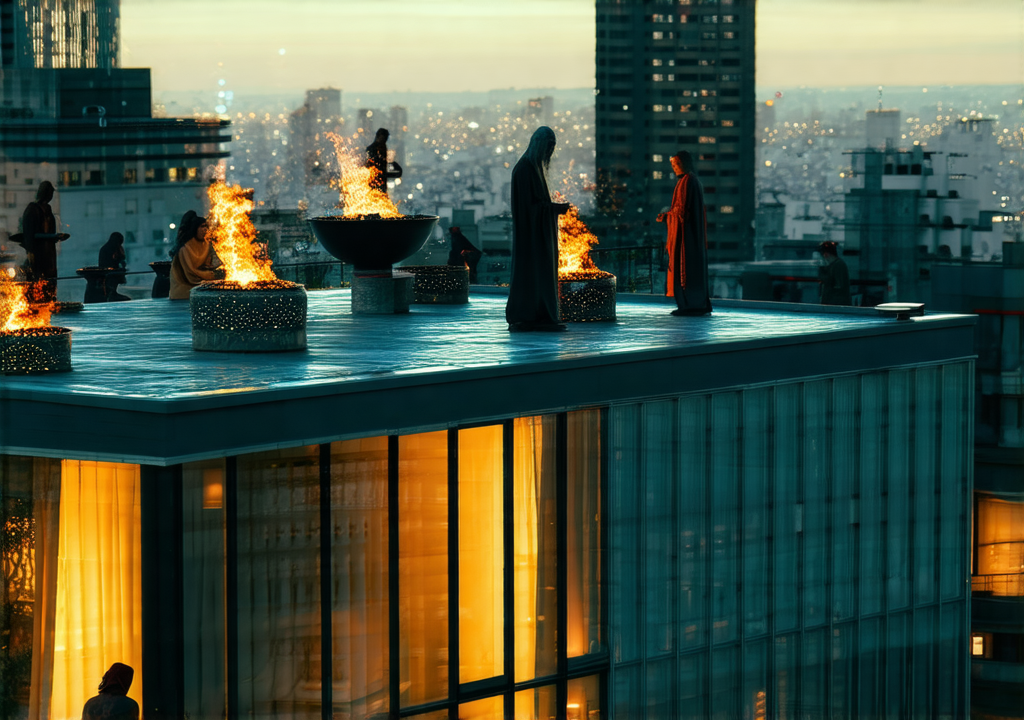
In an age where digital overload has made us feel increasingly disconnected from meaning, a quiet but powerful revival is taking place across cultures worldwide. The ancient practice of ceremonial magic — once hidden within esoteric orders and grimoires — is emerging into mainstream consciousness with surprising force. What makes this moment particularly significant isn’t just the growing number of people dabbling in magical practice, but rather their deepening commitment to precision and authenticity in how they perform it.
What Is Ceremonial Magic?
Ceremonial magic (also known as high ritual or magick) represents one of humanity’s oldest traditions of purposeful action through carefully constructed ceremony. Unlike folk magic, which often focuses on immediate practical results — healing, protection, prosperity — ceremonial magic emphasizes the transformation of both practitioner and cosmos through elaborate symbolic operations. It relies on precise arrangements of symbols, words, gestures, colors, and materials to channel intention into reality.
The practice traces back thousands of years. Ancient civilizations employed ritual techniques resembling what we now call ceremonial magic: Egyptian temple rites, Greek mystery schools, Hebrew Kabbalah, and early Christian sacraments all share structural similarities with the modern system. What makes them similar is their reliance on symbolic correspondence — the idea that external forms mirror internal realities, and that deliberate manipulation of form can produce real change in both realms simultaneously.
Why Now? The Factors Behind the Trend
Several forces explain why ceremonial magic has become so fashionable in recent years. First, there’s the crisis of meaning in modern life. In an increasingly secular world, people seek practices that offer both wonder and substance — something beyond casual meditation or mindfulness apps. Ceremonial magic provides rituals with deep historical roots but contemporary relevance.
Second, the accessibility of information has transformed this once-esoteric domain into a popular pursuit. Books like Agrippa’s Three Books of Occult Philosophy, works by Aleister Crowley (founder of Thelema), and modern practitioners’ writings are available in digital form. YouTube channels, blogs, and social media communities share diagrams, recipes for rituals, and demonstrations of techniques that were once kept within closed orders.
Third, there’s the aesthetic appeal. Ceremonial magic has a visual elegance — altars with pentagrams, candles arranged in geometric patterns, incense rising through deliberate gestures, sigils drawn on parchment. In an age of Instagram aesthetics, ceremonial magic offers not just meaning but also beauty, and it photographs well.
Fourth, there’s the scientific temperament. Modern practitioners often approach ceremonial magic not as superstition but as a kind of applied psychology or even psychical engineering. The ritual structure provides organized intention-setting; the symbols work on subconscious levels; the repeated practices build what some call “habitual state” — a readiness to receive insight and effect that comes through disciplined repetition rather than spontaneous revelation.
The Practice: How It Works in Detail
A typical ceremonial magic operation involves several key components arranged with precision:
The Altar: An altar represents microcosm — the entire universe compressed into one space. Different parts correspond to different elements, directions, and cosmic principles. A pentagram on the central cloth represents the microcosmic man; surrounding candles represent stars or planets; colored cloths map out elemental correspondences (red for fire/will, white for air/thought, yellow for earth/stability, blue for water/emotion).
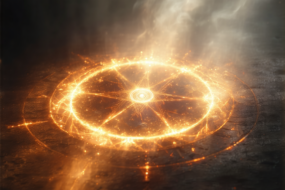
The Pentagram: This five-pointed star serves as one of ceremonial magic’s most potent symbols. Drawing a pentagram in the air during ritual establishes boundaries between the inner and outer worlds — it creates what practitioners call “the space” where normal conditions no longer apply, where intention can manifest without interference from ordinary perception.
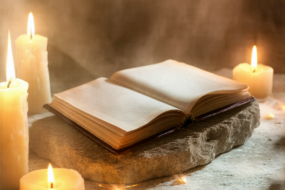
Candles: Arranged according to planetary correspondences (Sun, Moon, Mercury, Venus, Mars, Saturn, Jupiter, and sometimes the elements), candles provide both illumination and symbolic structure for ritual work. Each candle represents an aspect of consciousness — willpower, memory, love, courage — and they’re lit at specific moments during the ceremony according to precise sequences.
Incense: Different incenses correspond to different planetary hours and purposes. Frankincense for purification; myrrh for protection; sandalwood for inspiration. The smoke rises through deliberate gestures while prayers or invocations are spoken, creating a three-dimensional symbolic landscape that practitioners experience directly.
Why Everyone Should Try It: Benefits Beyond Practice
The appeal of ceremonial magic extends far beyond those who will become lifelong practitioners. Even casual engagement offers several benefits:
First, it provides a structured approach to intention-setting — something particularly valuable in our era of distraction and decision-fatigue. The ritual form creates a container within which we can direct our wishes with clarity rather than hoping they’ll come true through mere positive thinking.
Second, the practice develops what practitioners call “the will” — an inner discipline that becomes useful even outside magical work. People report improved focus during prayer or meditation, better performance in daily life, and increased self-awareness when working with symbolic systems.
Third, ceremonial magic connects us to human tradition in ways that feel immediate rather than academic. When someone draws a pentagram as Pope John Paul II drew his papal blessing, they participate directly in practices stretching back centuries — not through intellectual assent but through bodily gesture and shared symbolics.
Finally, the practice offers both mystery and method: it doesn’t claim to explain everything about how symbols work or why certain arrangements produce results. It simply asks us to try them, observe their effects over time, and develop personal understanding through experience rather than dogma. This empirical openness appeals especially to modern sensibilities — it’s a form of knowledge that combines ancient wisdom with experimental rigor.
Getting Started: Practical Steps for Beginners
To begin your own ceremonial magic journey:
- Choose an accessible tradition — The Hermetic Order of the Golden Dawn system (based on Renaissance European practices) works well as an introduction.
- Set up a small altar space — Even a simple table with colored cloth, candles, and basic symbols creates effective ritual conditions.
- Learn a few key operations — Drawing pentagrams, working with elemental correspondences, using sigils for specific intentions.
- Practice regularly — Ritual work grows more potent through repeated engagement; even ten minutes daily builds understanding far better than occasional grand ceremonies.
Conclusion: The Timeless Practice for Contemporary Times
Ceremonial magic isn’t merely a nostalgic return to old ways. It represents something new in its contemporary expression — one that honors ancient practices while addressing modern concerns about meaning, intention, and connection. Whether drawn by aesthetic appeal or practical results, participants find themselves engaged with a living tradition that has evolved continuously since antiquity.
As the trend continues growing stronger each year, those who try it will likely discover why so many have already embraced this beautiful intersection of art and practice — where symbols aren’t just decorative but active, where ceremony isn’t mere formality but genuine power at work within human experience.


Recent Post
Gallery






Featured Videos




No Comments