


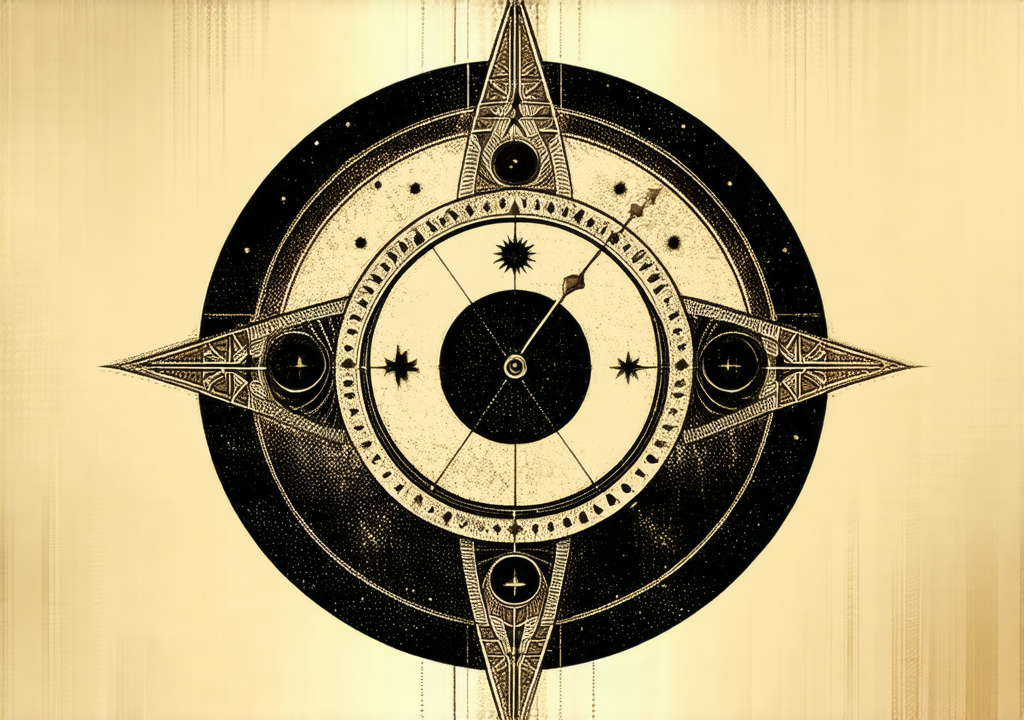
In an age dominated by digital screens and virtual interactions, something extraordinary is unfolding in quiet rooms across the world. Practitioners are gathering not with smartphones but with candles, symbols, and carefully drawn circles on floors. They’re engaging in rituals that have roots stretching back thousands of years — practices now being called Ceremonial Magic, or High Ritual.
What Is Ceremonial Magic?
At its core, ceremonial magic is a systematic approach to ritual practice that relies on precise procedures, symbolic language, and intentional structure. Unlike casual spirituality — the kind where one might light a candle or meditate without much preparation — ceremonial magic demands intention, timing, and technique. It draws from traditions including Hermeticism, Kabbalah, and Neoplatonic philosophy, all of which emphasize that human beings can work with invisible forces through ritual action.
The word “ceremonial” itself derives from the Latin caerimonia, meaning “sacred rite.” This is not magic in the sense of spells cast by wizards waving wands; it’s magic performed through established forms, with each gesture, incantation, and symbol carrying specific energetic significance.
The Historical Roots: A Quick Journey Backwards
The roots of ceremonial magic stretch deep into antiquity. Ancient Egyptian priests developed elaborate temple rituals that combined spoken words with precise movements and offerings to deities — practices that would later influence Western occult traditions.
In the medieval period, figures like Cornelius Agrippa and John Dee systematized magical practice in ways that directly informed modern ceremonial magic. Their work emphasized three main areas: natural magic (working with elemental forces), ritual magic (using specific rites for particular ends), and angelic or divine invocation.
The Renaissance saw a flourishing of magical thought, particularly through the Hermetic tradition — a philosophical current based on writings attributed to Hermes Trismegistus, an ancient figure whose teachings blended Greek philosophy, Egyptian wisdom, and early alchemical ideas. The Emerald Tablet, one of the key texts of this tradition, contains the famous phrase “As above, so below” — a principle that remains central to ceremonial magic today.
By the nineteenth century, societies devoted to magical practice had formed in Europe, most notably the Hermetic Order of the Golden Dawn, which developed sophisticated systems of ritual magic that continue to influence practitioners worldwide.
Why Ceremonial Magic Is Making a Comeback
Several factors have contributed to the current revival of ceremonial magic:
A hunger for depth: In an age where much spiritual practice has become casual and consumer-friendly, many people are seeking practices with real structure — rituals that require preparation, commitment, and effort.
The rise of esoteric culture: Books on astrology, tarot, and occult history have moved from niche bookstores to mainstream bestsellers. Social media accounts dedicated to ceremonial magic have gained millions of followers. Podcasts exploring these topics reach audiences that barely existed a decade ago.
Cultural context: Modern life has created genuine existential questions — how does one navigate meaning in a world that seems increasingly fragmented? Ceremonial practices offer ways of grounding oneself, creating continuity between past and present, and developing personal systems of meaning.
Core Practices of the Tradition
Ceremonial magic encompasses several main practices:
Ritual invocation: Calling upon specific divine forces or archetypes through prayer, chanting, and visualization. This might involve speaking ancient names, drawing symbolic diagrams (like pentagrams), or performing actions that correspond to particular planetary influences.
Sigil work and symbols: The use of drawn symbols — often designed by the practitioner themselves — as focal points during meditation and ritual. A well-made sigil can serve as a condensed expression of intention, something seen in ancient seals and in modern sigil magic practices.
Astrological timing: Many practitioners schedule their rituals according to planetary hours or moon phases, believing that cosmic conditions affect magical efficacy. This practice connects the practitioner with rhythms of the cosmos that are observable even by those who don’t understand all of their deeper meanings.
Rite of Exorcism and purification: Before many ceremonies, practitioners purify themselves — through bathing, fasting, or meditation — creating a state of mental clarity conducive to ritual work.
The Structure of Ritual Practice
A typical ceremonial magic session might proceed in stages:
- Preparation: The practitioner chooses a date and time, prepares the ritual space (often with candles, incense, and specific tools like athames or wands), and enters into appropriate mental states through meditation or prayer.
- Opening: Invocations begin — calling upon deities, angels, or archetypes that will assist in the work.
- Main ceremony: This may involve drawing sigils, chanting invocations, and performing specific actions according to a set formula. The practitioner remains aware of intention throughout.
- Closing: The ritual ends with formal closing prayers and sealing of the space — ensuring that energies raised during the rite do not linger unanchored.
Modern Practitioners Today
What’s remarkable about the current movement is its diversity. A ceremonial magician might be a young tech professional who reads ancient texts in translation, or an older scholar returning to practices from her own heritage. The community includes practitioners from many religious and non-religious backgrounds — some are Christian, some Jewish, some Buddhist, some agnostic — united by their interest in ritual practice regardless of belief system.
Digital culture has accelerated this movement significantly. YouTube channels dedicated to practical magic tutorials have millions of views; online communities provide support for those learning these practices; books by contemporary practitioners bring ancient ideas into accessible language.
Why It Matters Now
In a world where so many people feel disconnected from meaning, ceremonial magic offers something valuable: the sense that one’s actions matter — not just in theory but in a way that can be experienced directly. Ritual practice creates moments of clarity amid chaos, patterns amidst confusion, and meaning within everyday life.
It also offers continuity with tradition — a connection to practices performed by people for thousands of years before our own time. This is no small thing when modern life often feels fleeting and ephemeral.
Conclusion: The Return of Ritual
As ancient traditions make their comeback in the twenty-first century, ceremonial magic has become one of its most visible expressions. It speaks to something deep in human nature — the desire for pattern, meaning, and connection to forces larger than ourselves. Whether experienced as literal magic or metaphorically, these practices offer a way into depth that our ancestors knew well — and which we are rediscovering today.
The rise of ceremonial magic is not merely a trend; it is the return of ritual itself — once again taking its rightful place in human life.


Recent Post

Gallery






Featured Videos




No Comments