


The ancient art of ceremonial magic has long been shrouded in mysticism, precision, and seemingly endless layers of ritual complexity. From the elaborate invocations of the Golden Dawn to the intricate workings of modern magicians, practitioners have often fallen into a pattern of overcomplication—adding layers upon layers of symbolism, direction, gesture, and timing until the core purpose becomes lost in a maze of details.
Yet there is a reason for this tendency. Ceremonial magic demands intentionality. Every movement must be deliberate; every word precise. The magician’s will must pierce through distraction like a blade through cloth. But when we overdo it, we risk turning our rituals into performances rather than acts of genuine power.
What Is Ceremonial Magic?
At its heart, ceremonial magic is the art of aligning human intention with cosmic forces through carefully structured ritual practice. Unlike natural or folk magic—which often relies on intuition and spontaneous action—ceremonial magic employs specific techniques: invocations, evocations, consecrations, exorcisms, and other formal operations that transform ordinary spaces into sacred ones.
The key word here is formal. In ceremonial magic, form matters because it provides structure for intention. Without proper form, our wills are like arrows without fletching—they may fly, but they tend to wobble off course. With form, they strike true.
The Trap of Overcomplication
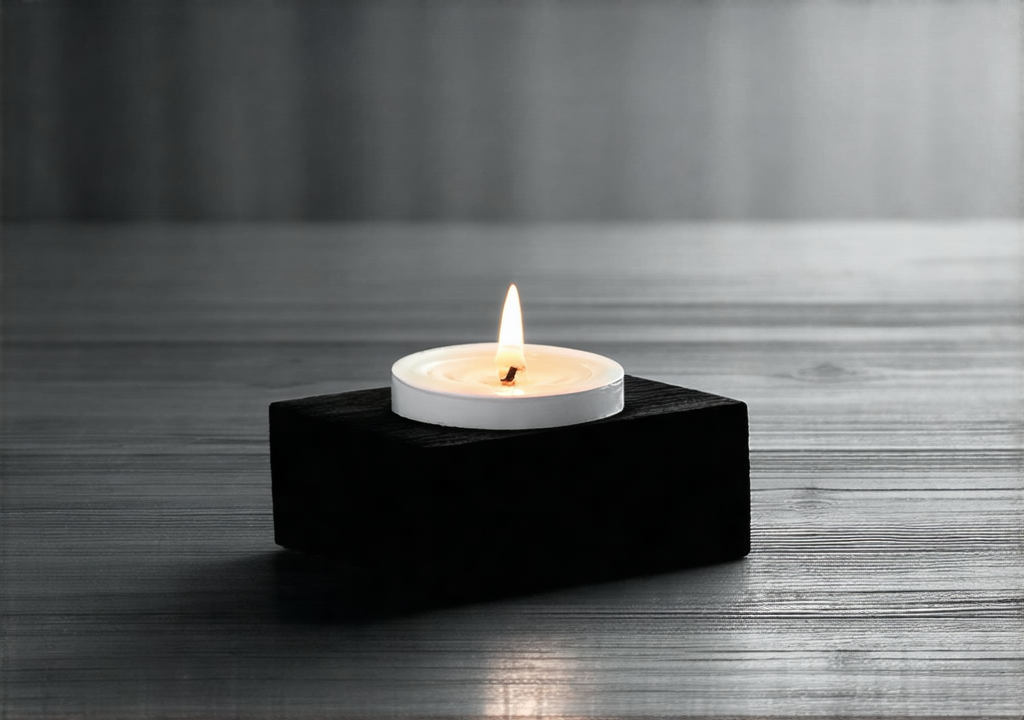
Over time, practitioners accumulate tools, symbols, and procedures. A magician might begin with a simple working—a candle, an incantation, focused intention—and eventually find themselves surrounded by hundreds of items: specialized wands, sigils, talismans, pentagrams drawn in specific orientations, incense of particular compositions, robes worn on the appropriate days.
Each addition makes sense in isolation. Each contributes something valuable to the practice. But together, they can create a ritual so elaborate that it becomes difficult to maintain consistency. The magician must remember which tool goes where, when, and how. They must execute dozens of precise movements while maintaining mental focus on their intended outcome.
This is not bad in itself—detail is important—but it leads practitioners into what I call the ritual trap: the belief that more elaborate equals more effective. So they add another layer of symbolism, another gesture, another prayer, until their working becomes almost unrecognizable compared to the simple act that began it all.
The Core Elements: What Matters Most
A practical approach to ceremonial magic requires identifying what truly matters and simplifying everything else. Consider these essential elements:
Intent: Clear intention is perhaps the single most important element in any ritual. Before beginning, know exactly what you intend to achieve—whether that’s healing, protection, inspiration, or transformation—and hold this goal clearly throughout your working.
Form: Choose appropriate form without overcomplicating it. A pentagram, a circle of salt, and focused will are sufficient for many workings. The specific tool matters less than how confidently you wield it.
Timing: Work within the natural rhythms—lunar phases, planetary hours, seasonal transitions—but don’t obsess over perfect timing to the minute. These things guide rather than dictate.
Symbolic Language: Use symbols and words that resonate with your personal understanding. Whether invoking traditional names or creating new ones, choose what speaks to you directly.
Practical Ritual Construction
Rather than beginning each ritual from scratch, build them from a small set of core components:
- Sacred Space Preparation: Create a clean, dedicated space where you can work regularly. A simple altar with candles, incense holder, and your chosen tools works well for daily practice.
- Standard Opening Sequence: Develop a brief opening rite that establishes your sacred space—perhaps calling the quarters or invoking protective forces. Repeat this same sequence each time until it becomes second nature.
- Core Working: Perform your specific ritual action (healing, divination, manifestation) using whichever tools you’ve chosen for that particular purpose. Keep it straightforward.
- Closing Sequence: Return to simplicity in closing—releasing forces, returning thanks, and grounding yourself. This prevents lingering energetic residue from disrupting your daily life.
Beyond the Basic Working
For more complex workings, consider layering additional elements gradually rather than all at once:
- Planetary Timing: Work during specific planetary hours for enhanced effect
- Lunar Phases: Align your working with moon phases for emotional or cyclical matters
- Elemental Invocations: Add specific elemental correspondences when needed
- Sacred Geometry: Use geometric patterns like hexagrams, pentacles, and mandalas
But always ask yourself: does this addition serve my purpose? If it complicates the ritual without adding clear value, set it aside.
Common Mistakes to Avoid
Many practitioners make these errors repeatedly:
Overcomplicating the simple: Using an elaborate incantation when a single focused word would suffice.
Treating form as end in itself: Performing all the correct gestures and using all the right tools without clear intention behind them.
Collecting tools instead of practicing regularly: Buying books, buying stones, collecting sigils—but never sitting down to do any working consistently.
Ritual fatigue: Becoming so attached to elaborate ritual that simple acts feel incomplete. This leads to magical burnout when you forget to do anything at all rather than risk doing it wrong.
The Art of Simplicity in Ceremonial Practice
The greatest magicians throughout history have practiced both simplicity and complexity—choosing their level of elaboration based on what the situation demands, not what tradition dictates. The ancient Greeks practiced magical rites with minimal ceremony; the later Hermetic traditions added layers upon layers until they seemed almost overwhelming—and yet the core principle remained unchanged: focused will, properly directed through appropriate form, produces real results.
Stop overcomplicating your rituals not because simplicity is always better but because clarity is essential. A ritual performed with clear intention and practiced regularly is far more powerful than an elaborate one performed occasionally. The goal isn’t to perform; it’s to do the work—and that requires choosing wisely which tools you need, and using them well.
Your Next Ritual Working
Consider your current practice honestly: What elements feel truly essential? Which ones are simply habits accumulated over time? Choose one ritual you do regularly and strip away everything except what serves clear purpose. Then perform it with full presence. You’ll find that the power was there all along—you just needed to stop complicating it.


Recent Post



Gallery






Featured Videos







No Comments