


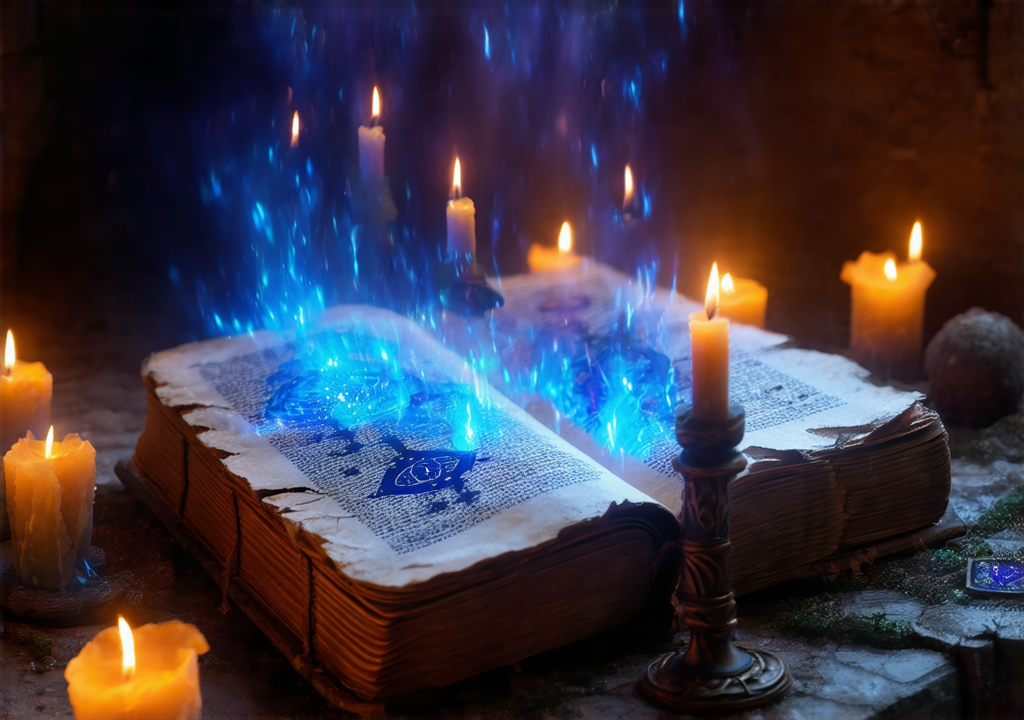
Welcome to the world of Ceremonial Magic — a practice that spans thousands of years and stands apart from ordinary witchcraft by its precision, formality, and elaborate ritual structure.
Origins and Historical Foundations
The roots of ceremonial magic stretch back to ancient Egypt, where temple priests performed elaborate rites in precisely measured temples using specific sacred geometries. But the true codification came through the Hermetic tradition — scholars traced a direct line from Egyptian mystery schools through Greek philosophers like Pythagoras, to medieval Arabic alchemists, and eventually into Renaissance Europe.
The word “ceremonial” itself derives from caerimonia, referring originally to sacred observances performed at specific times according to prescribed forms. Unlike everyday divination or folk magic performed in homes, ceremonial magic was meant to be conducted in consecrated spaces by trained practitioners who understood the intricate relationships between symbols, numbers, celestial bodies, and material substances.
What Sets Ceremonial Magic Apart From Ordinary Witchcraft?
The distinction matters more than you might expect. Witchcraft traditionally involves direct communication with spirits, casting of spells, and use of simple tools — wands, cauldrons, herbs. Ceremonial magic involves the construction of elaborate environments: drawn circles on the ground or canvas, altars positioned according to astrological configurations, precise timing based on planetary hours, and detailed invocations spoken in specific languages (often Hebrew, Greek, Latin, or even Sumerian).
The practitioner — called a magus or magician rather than “witch” — acts as both priest and performer. They don’t simply ask spirits for favors; they summon them into carefully prepared vessels, establish formal hierarchies of power, and conduct elaborate ceremonies that mirror the supposed structure of the cosmos itself.
The Core Elements: Tools of the Trade
Every ceremonial magician relies on five fundamental tools:
The Wand — a rod of wood (often hazel or oak), representing will and direction. It guides energy just as a conductor’s baton directs an orchestra.
The Pentacle — a disk, typically inscribed with sigils and placed at the center of the magical circle. It represents earth and material manifestation, grounding the ethereal forces being called upon.
The Sigil — a symbol created for specific purposes, whether drawn from planetary correspondences or invented by the magician. Each carries encoded power based on traditional rules of signature.
The Circle — perhaps the most essential element, both physical and conceptual. The circle separates sacred space from profane, creating a miniature cosmos within which magical operations proceed according to their own laws.
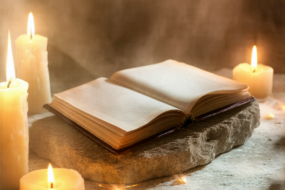
The Book — whether containing prayers, formulas, or the secrets of names. Words carry power in ceremonial magic; they serve as keys that unlock forces hidden beneath the surface of things.
The Practice: Rituals and Ceremonies That Matter
Ceremonial magic demands precision — not merely the kind found in a religious ceremony but something more mathematical, more exacting. Each element is placed according to precise rules of correspondence with planets, colors, stones, incenses, herbs, and even musical notes.
The magician must learn the planetary hours (each hour ruled by a specific planet), identify the proper days for each operation (Friday for Venus, Saturday for Saturn, etc.), choose appropriate materials based on their properties and symbolic correspondences, and perform gestures with particular meanings at exact moments in the ceremony.
What makes ceremonial magic truly remarkable is its cosmology: every action in the material world corresponds to an action in the spiritual world above it. This “as above, so below” principle means that a magician who acts correctly can influence events not only within their circle but beyond — through the subtle currents of ether and astral force.
The Secret Languages and Names of Power
Perhaps most mysterious is the language of angels — what medieval magi called Enochian or Angelic speech, believed to have been revealed directly to John Dee and Edward Kelley in 1582. These letters and words carry inherent power when spoken correctly; names especially hold potency because they are not arbitrary signs but true essences of things.
This is where the ancient secrets truly begin: the belief that if you knew the correct name of a thing — its hidden, original name as it exists in divine thought — you could command it completely. Every star, every stone, every creature had such names; and those who learned them wielded genuine power over nature itself.
Why Modern People Should Care About Ceremonial Magic Today
You might wonder whether all this ancient knowledge still matters in our modern age of science and technology. The answer lies in recognizing that ceremonial magic operates on different principles than empirical science — not contradiction but complement. While science studies what is outside us, ceremonial magic concerns itself with the relationship between observer and observed, subject and object, in ways that resonate deeply with contemporary physics and quantum theory.
The practice offers:
- A structured path to self-development through disciplined meditation on symbolic correspondences.
- A complete cosmology connecting microcosm (self) with macrocosm (universe).
- Practical techniques for healing, protection, divination, and influencing events that remain relevant today.
Conclusion: The Secrets Were Always There — Waiting for You to Read Them
The ancients left us not only their symbols and texts but also a living tradition — one that continues to this day among practitioners across the world. When you enter their circle of practice, understanding their principles and participating in their ceremonies, something shifts within you: the veil between material and spiritual grows thinner, and suddenly the hidden meanings behind everything become visible.
So let me share with you this final thought: ceremonial magic is not about escaping from reality into fantasy; it is precisely about seeing reality as truly structured — as built on principles that have been known since antiquity but which modern minds have forgotten to read. The secrets were always there, waiting for those willing to learn them properly.


Recent Post

Gallery






Featured Videos




No Comments