


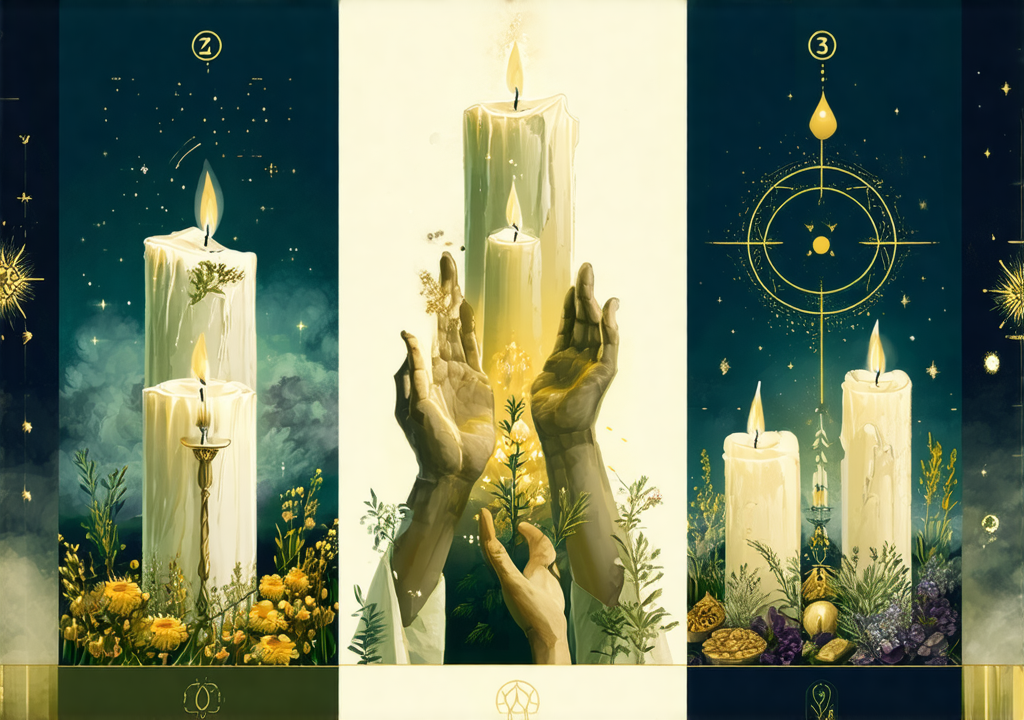
Ceremonial magic, also known as high-ritual magic or occult science, is a time-honored tradition that dates back thousands of years and encompasses a highly systematic approach to working with unseen forces. While it shares many principles with witchcraft and divination, ceremonial magic distinguishes itself through its precision: elaborate ceremonies performed within carefully prepared ritual spaces using specific tools, symbols, invocations, and timings according to established protocols. Unlike the intuitive, earth-connected practices of folk magick or everyday witchery, high-ritual ceremonial magic operates on precise formulas—each step deliberately chosen, each gesture purposeful, each word spoken at the appropriate moment.
If you’ve ever felt drawn toward this tradition but wondered where to begin, consider that practitioners throughout history—from medieval grimoires to modern Thelema and Hermetic Order of the Golden Dawn traditions—have all agreed on a common foundation. Below are five accessible steps to set yourself upon the path of ceremonial magic today.
Step One: Understand the Essence of Ceremonial Magic
Before performing any ritual, understand what distinguishes it from other forms of magick. At its core, ceremonial magic relies on precise ceremony: each action is a deliberate alignment between will and cosmic forces rather than mere expression of feeling or instinct. Think of it as a formal language—like the Latin mass in Christian tradition or the classical ceremonies of ancient rites—that employs specific gestures, words, symbols, and timed actions to accomplish precise ends.
Unlike folk magick, which often flows naturally from everyday practice (leaving offerings at hearth or home altar), ceremonial magic demands preparation: consecrated space, defined tools, established timing, and a clear intention articulated through formulaic structure. You don’t need to memorize every detail immediately; even beginners who lack deep knowledge can begin by following structured ceremonies with care and attention. The key distinction lies not in perfection but in intentionality—the ritual exists as deliberate action rather than habit.
Step Two: Gather Essential Tools and Symbols
One of the most practical aspects of beginning ceremonial magic is assembling your fundamental toolkit. You don’t need elaborate apparatus or expensive items; a few essential instruments will serve you well from the start.
The traditional set includes an athame (ritual knife) for directing force, a wand for channeling energy and intention, a chalice as vessel of the element water and receptivity, incense or candles to purify space and mark sacred time, and sigils or symbols representing your intentions—such as the pentacle, cross, or planetary signs. These tools appear frequently across traditions: from medieval grimoires through Hermetic orders down through modern practitioners like Crowley, Llewellyn, and contemporary ceremonialists.
Even without elaborate equipment, any space can serve as a ritual chamber; you merely need to establish boundaries and dedicate the place appropriately. Remember that most of what matters is how you use tools rather than what they cost or look like.
Step Three: Learn Timing Principles
A distinguishing feature of ceremonial magic is its attention to timing—aligning your work with cosmic patterns enhances efficacy considerably. Traditional practitioners observe planetary hours (each hour associated with one of the seven classical planets), lunar phases, and seasonal cycles as keys to potency.
Planetary hours offer a straightforward starting point: each day corresponds to a planet’s hour during daylight or nighttime depending on tradition. Working within that planet’s hour amplifies intentions connected to its qualities—Venus for love, Mars for strength, Mercury for communication. You don’t need elaborate charts; simply observe when planetary energies feel strongest in your environment.
Lunar timing provides further refinement: new moon for beginnings and manifestation, full moon for culmination and power, waning moon for banishing or release. Seasonal markers—equinoxes and solstices—mark major transitions where heightened energy flows through the natural world; these are ideal times for setting intentions that require long growth.
Step Four: Prepare a Ritual Space
Before beginning any ceremony, establish your ritual space according to traditional practice. This involves three essential acts: cleansing, consecration, and boundary-setting.
Begin by purifying the physical environment—whether through incense (traditional herbs like frankincense or sage), sweeping gestures with athame, or simply verbal declaration of separation from ordinary surroundings. Create boundaries around your sacred space using natural markers if outdoors (stones, salt circles) or symbolic ones indoors (drawn circles on floor, hanging symbols). Within this boundary, you can perform rituals whose effects extend beyond mere imagination into genuine transformation.
The space itself functions as a microcosm: center marked by your central point (often where you stand during invocation), corners designated for elements, and direction aligned according to tradition. This physical arrangement mirrors the cosmological structure believed in hermetic and occult traditions throughout history—each corner corresponding to one of four classical elements, each cardinal direction governed by specific planetary or elemental forces.
Step Five: Perform a Simple Ceremony with Intention
Now that you understand principles, gathered tools, established timing, and prepared space, perform a simple ceremonial ritual aligned with your intention. The basic structure follows an ancient pattern familiar across traditions—from medieval grimoires through Hermetic orders to modern practice:
- Purification: Cleanse yourself and the space (verbal or physical)
- Invocation: Call upon desired forces—planetary spirits, elemental powers, or deities according to tradition
- Working: Perform your primary action while maintaining focused intention (whether manifesting something, banishing unwanted influences, or simply communing with unseen energies)
- Closing: Seal the work by repeating invocations in reverse order, extinguishing candles or breaking boundaries
Each step should be deliberate and conscious; every gesture carries significance according to established tradition. You don’t need to memorize everything—simply perform each action attentively and hold your intention throughout the ceremony. The ritual structure provides form while your personal intention supplies substance.
Conclusion: Begin Practicing Today
Ceremonial magic offers a structured yet deeply personal path toward understanding unseen forces through precise ceremonies, deliberate actions, and sustained practice. Whether you approach it through Hermetic tradition, medieval grimoire study, or direct mystical experience, the core principles remain consistent: intentional action within prepared space according to established timing. Begin with simple steps—understand the essence, gather tools, observe timing, prepare space—and perform ceremonies that align your will with cosmic forces.
As you continue practicing, deepen your knowledge through study of traditional texts (the Key of Solomon, The Hermetic Order of the Golden Dawn, and other foundational works), experiment with different techniques, and cultivate personal connection to the unseen powers you invoke. Remember: every master practitioner began as a beginner who chose to begin; all that remains is action upon foundation laid.
5 Simple Steps to Start Practicing Ceremonial Magic Today: understand its essence, gather tools, learn timing, prepare space, perform ceremony with intention—and let your practice grow from there into deeper mastery.


Recent Post



Gallery






Featured Videos





No Comments