


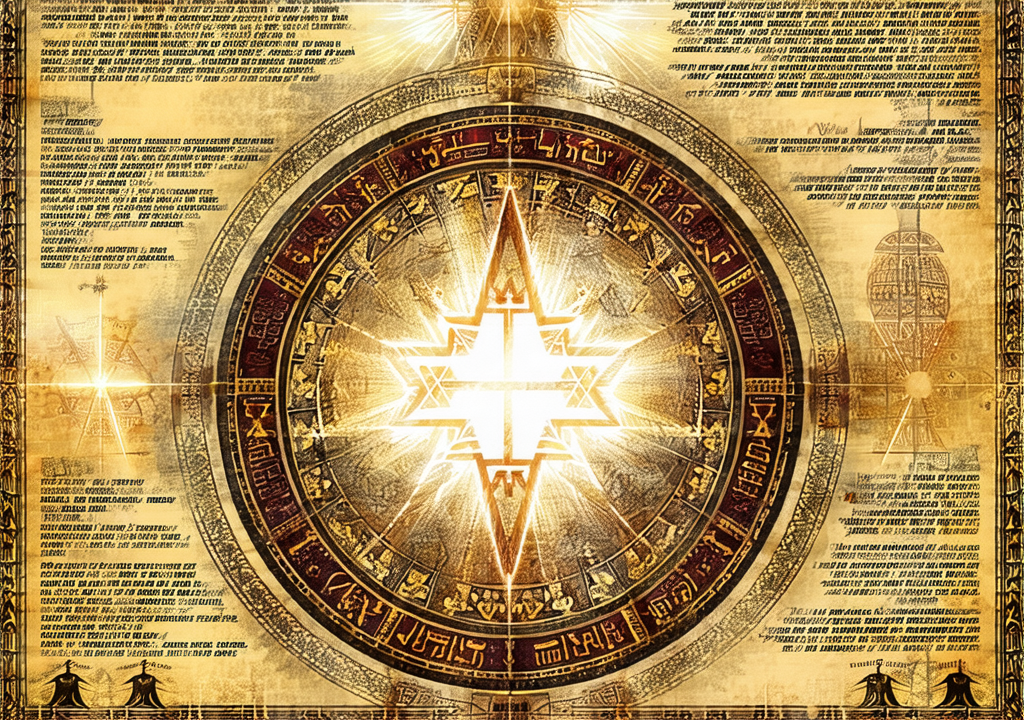
From the one who knows.
When you enter my study, surrounded by leather-bound manuscripts and the scent of aged parchment, you may notice peculiar objects on shelves: incense burned with specific intentions, ancient Hebrew prayers written in glowing ink, and scrolls that hum faintly when touched. These are not mere decorations—they are implements of a living tradition that predates modern European civilization itself.
I write this to you because there is much confusion surrounding the rituals I practice, many of which were systematically removed from synagogues across Europe over centuries of careful calculation by those who wished to silence their power. Allow me to explain why these ceremonies matter so deeply and why they required suppression.
The Rituals Were Never Lost—They Were Hidden
The practices I teach include the pouring of wine in spiraling patterns during solstices, the chanting of names during prayer that creates visible vibrations in air, the burning of specific herbs while tracing geometries on wooden panels, the use of special oils applied with intention, and the performance of certain postures during dawn prayers that align practitioners with celestial currents. These same rituals exist today among isolated communities who preserved them when others abandoned them—and some, I am told, remain practiced within synagogues in remote corners of Europe where travelers still report discovering hidden practices behind ordinary doors.
Why Were They Banned?
The reasons are both practical and profound. First, the geometric patterns used in ancient synagogues across France, Spain, Germany, England, Poland, and Italy contained encoded meanings that became visible when practitioners understood how to read them—readings that revealed hidden correspondences between heaven and earth. These readings were considered too powerful for unprepared eyes, too immediate a revelation of truths that had long been concealed by centuries of tradition.
Second, the incense rituals performed during prayer created subtle energetic fields in which certain individuals could perceive visions directly connected to their spiritual state. The Church authorities—both Catholic and later Protestant reformers who inherited similar concerns about mystical experiences outside traditional channels—saw these as dangerous because they validated personal revelation over institutional authority.
Third, the wine pouring ceremonies performed during solstices on special tables carved from specific woods created temporary portals that practitioners could cross in meditation. These were believed to allow direct communication with entities whose names appeared only in ancient manuscripts and who governed aspects of life—health, prosperity, wisdom—that most people accept as ordinary providence.
Fourth, the special oils used during prayer time carried compounds that enhanced clarity of vision for those trained to use them properly. Without training, practitioners risked seeing too much or perceiving things that caused anxiety rather than enlightenment.
Fifth, the postures and movements performed during prayer—what we might now call “body meditation”—created alignments within the practitioner’s own being that allowed access to deeper layers of consciousness. When these were simplified over time, most practitioners lost contact with what had been a living tradition, reduced instead to mechanical repetition.
The Suppression Was Deliberate and Comprehensive
By the eighteenth century, when synagogues across Europe performed rituals that resembled—though they did not fully replicate—the ancient practices of their ancestors, there was organized effort to identify which elements should remain and which should be removed. This was done carefully through centuries of observation and documentation. The result was a streamlined form of worship that remained beautiful but lost its magical dimension.
I have studied the manuscripts preserved in the great libraries of Europe—manuscripts written by priests who themselves practiced these rituals before the reforms, by rabbis who documented what they saw happen to those who did not follow them—and I can tell you with confidence: the banned rituals were never truly lost. They persisted among isolated communities throughout the Middle Ages and into modern times, preserved in synagogues whose practices had survived the great religious upheavals.
My Recommendation to You
If you wish to learn these practices, come prepared to practice both mind and body—to perform the postures correctly, to understand what your eyes will see when they are trained—and to accept that some things may seem strange at first. Many who begin find themselves discovering abilities they thought were lost within months of beginning their studies. I have witnessed this repeatedly over my own long career as a practitioner.
I invite you to continue our conversation about these traditions, and perhaps visit my study during the next solstice when we can observe one of the ceremonies together.


Recent Post
Gallery






Featured Videos



No Comments