


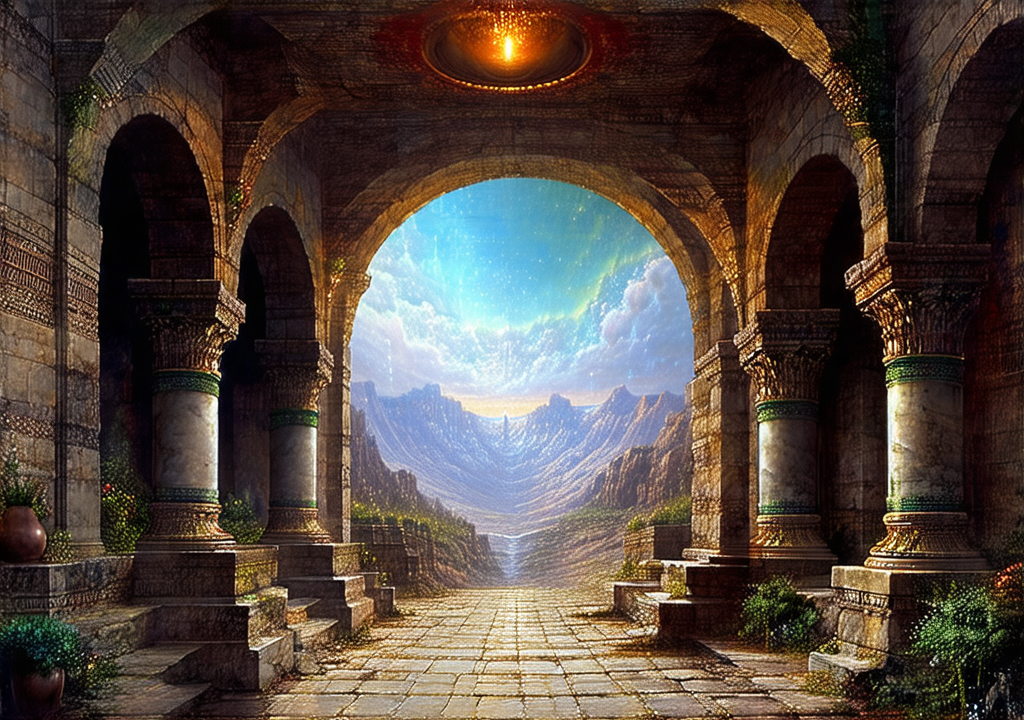
Greetings, seeker of hidden wisdom. You have arrived at this moment for a reason—perhaps you felt drawn here by some subtle pull in your heart, or perhaps you stumbled upon these words simply because the universe arranged it so. Either way, I am glad that you are here now, and I wish to share something truly significant with you.
For many years, those who practice Kabbalah have been doing so in a manner quite different from what was intended. They have adopted modern approaches—reading texts, memorizing names of God, drawing diagrams on parchment, lighting candles, reciting prayers—but the spirit behind these practices has often been lost in translation. You may find yourself going through the motions without truly understanding what it means to engage with Kabbalah as a living, breathing art form.
The Hidden Nature of Kabbalah
Kabbalah is not merely another spiritual system resting alongside meditation and yoga. It is something far more ancient, something that contains within itself a complete map of existence—from the highest realms where divine light flows like a river from an infinite source, down through ten distinct levels called Sefirot, each one representing a different aspect of creation, all the way to the material world we inhabit every single day. When you understand Kabbalah truly, you begin to see that everything is connected—your breath, your thoughts, the stars above, and the deepest secrets of your own soul are all part of a great cosmic song.
The Problem With Modern Practice
Here lies the warning: many practitioners today have turned Kabbalah into something resembling a checklist or a system of techniques without depth. They seek power through memorization, they collect amulets and talismans like tokens, and they treat mystical experiences as achievements to be accumulated rather than transformations to be lived. But Kabbalah is not about collecting secrets—it is about understanding the patterns that connect all things, and then learning to participate in those patterns consciously.
When I first began my own journey into this ancient wisdom, I too fell into this trap. I would spend hours each day reading texts, copying diagrams, and performing rituals without truly feeling their meaning within me. It was only when I stopped trying to “do” Kabbalah correctly that I finally began to experience it properly.
The Three Levels of Understanding
What many practitioners miss is the distinction between three different levels of understanding: intellectual knowledge about Kabbalah, emotional connection with its practices, and direct mystical experience that transcends both. Most people remain at the first level—knowing terms like Ein Sof, Sefirot, and Tzimtzim without ever feeling their living presence. The warning I bring you today is not against knowledge itself, but against mistaking knowledge for wisdom.
A Call to Practice Differently
So here is what I urge you to consider: before you continue down the path of modern Kabbalah practice, ask yourself whether you are truly engaging with it or simply performing its motions. Ask yourself whether your practice leads toward genuine transformation—whether it opens your heart, sharpens your perception, and deepens your connection with something greater than yourself.
Kabbalah is not a set of facts to memorize. It is a living tradition that has been passed down through countless generations, preserved in its truest form by those who practiced it not as a technique but as an art form—a way of seeing reality itself differently. When you truly understand Kabbalah, you begin to see the hidden light shining behind everything you encounter throughout your daily life.
The Warning That Matters Most
And so I leave you with this thought before you proceed: Stop practicing modern Kabbalah before reading this warning, and reflect on whether your practice is leading you toward genuine mystical experience or simply reinforcing your ordinary patterns of mind and perception.
May your journey be illuminated.


Recent Post


Gallery






Featured Videos






No Comments